

How to choose outdoor lounge furniture for comfort, style, and year-round durability
Key Takeaways
Choosing outdoor lounge furniture becomes much easier when you begin with your space, routines, and local weather rather than a particular look. Measure carefully, compare construction and fabrics, and plan for the maintenance you are genuinely willing to do.
- Measure traffic paths as well as the furniture footprint.
- Choose seating around how you relax, dine, and host.
- Match frames, finishes, and fabrics to your climate.
- Treat cushions, tables, and covers as part of the investment.
- Compare warranty support and long-term value, not just the ticket price.
Define your outdoor living space and lifestyle
Your patio, deck, balcony, or courtyard should work as an extension of your home. Before you browse outdoor lounge furniture, consider how much room you have, how the area is exposed, and what you want to do there most often. A calm reading corner needs a different arrangement from a family entertaining area. For a broader planning guide, see this advice on choosing outdoor furniture.
Measure the available area and traffic flow
Measure the full usable area, then mark doors, steps, railings, garden beds, and drainage points. Leave comfortable walking space around each seat and make sure a door can open without striking a table or chair. A scaled sketch, even a rough one, can prevent the common mistake of buying a generous sofa that makes the whole patio feel narrow.
Do not measure only the empty rectangle. Account for the depth of reclining chairs, the clearance needed to pull a chair out, and the space required to carry food or drinks through the area. If you are working with a compact deck, a slimmer modular arrangement may feel more comfortable than a large fixed suite.
Match furniture to how you use the space
Think about a typical week rather than an imaginary party. If you read outside in the morning, a supportive lounge chair may matter more than a large sectional. If evenings revolve around conversation, face seats toward one another and choose enough table surface for glasses, plates, and phones. Your habits should determine the proportions.
Also consider who uses the furniture. Deep cushions can be wonderfully relaxed, but a shallower seat may be easier for older family members to get in and out of. Write down your three most frequent outdoor activities before comparing styles; that short list usually makes decisions clearer.
Plan for dining, lounging, and entertaining zones
Separate functions without making the space feel divided. A dining table can sit closest to the kitchen or barbecue, while softer seating works better in a quieter corner. On a larger deck, use a rug, lighting, or the direction of the furniture to signal the change from eating to relaxing.
Keep sightlines open between zones so conversation can continue. If you regularly host, allow a little spare capacity rather than filling every available metre with seats. A practical outdoor dining furniture guide can help when your dining area needs to share space with a lounge setting.
Consider sun, wind, rain, and seasonal conditions
Track where sunlight falls at different times of day and notice which corners collect wind-driven rain. Strong afternoon sun can fade fabric and make dark frames hot, while an exposed coastal position calls for careful attention to rust resistance and secure placement. Think about winter storage before you buy, not after the first storm.
Shelter helps, but it does not remove the need for weather-aware materials. A covered deck may still receive damp air, pollen, and salt, and cushions may remain humid if they cannot drain properly. This climate-friendly outdoor furniture guidance is useful when you are comparing materials for year-round use.
Choose the right outdoor lounge furniture pieces
The best arrangement usually combines fewer, better-chosen pieces rather than every category at once. Start with the seat that will do most of the work, then add tables and occasional pieces around it. Comfort, access, and flexibility should feel considered without making the area look over-furnished.
Compare sofas, sectionals, loveseats, and lounge chairs
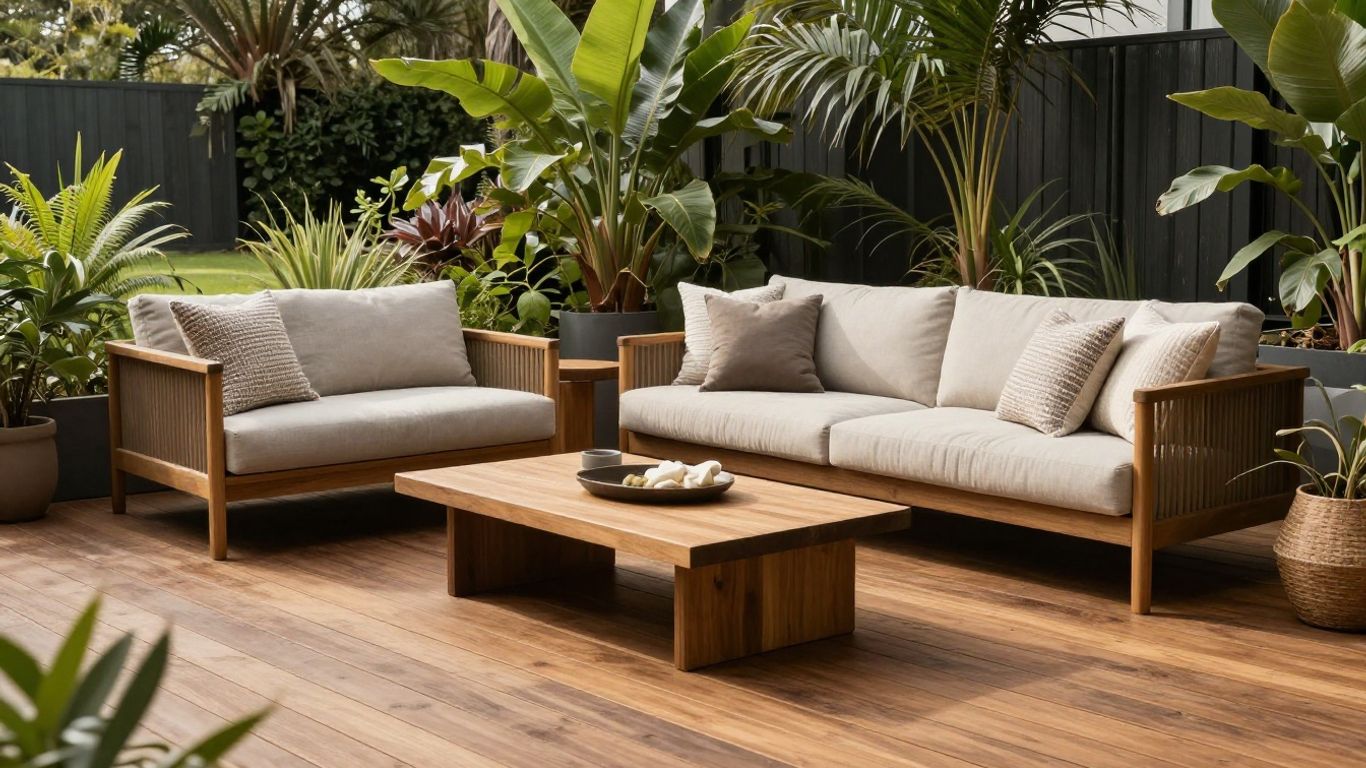
A sofa is a straightforward choice for two or more people, while a sectional can define a corner and provide more generous lounging space. A loveseat suits compact areas or pairs neatly with a separate chair. Lounge chairs are useful when people prefer individual positions or when you want to create a reading spot away from the main conversation.
Pay attention to seat depth, arm height, back angle, and the way cushions support your body. If you cannot test the piece in person, check dimensions carefully and compare them with a chair or sofa you already find comfortable. For a visual reference, browse these deep seating lounge pieces, then assess whether their scale suits your own space.
Decide whether an ottoman or chaise is worthwhile
An ottoman can work as a footrest, spare seat, or temporary coffee table when topped with a tray. A chaise gives you a dedicated place to stretch out, but it takes more floor area and can limit traffic flow. Choose one when you know how it will be used, not simply because it looks inviting in a photograph.
In a small setting, a movable ottoman often offers more value than a fixed chaise. In a larger one, a chaise can establish a relaxing focal point. Check that either piece can be moved easily enough for cleaning and that it does not block access to storage or doors.
Use side tables and coffee tables for function
A beautiful seating arrangement becomes frustrating when there is nowhere to put a drink. Place side tables beside the seats people use most, and choose a coffee table that leaves enough knee room. Rounded corners can help in busy walkways, while a lower table can preserve views across a balcony or deck.
Consider the table surface as well as its shape. A textured finish may hide everyday marks, and a stable base matters in windy locations. You may also prefer nesting tables if you want occasional flexibility without permanently occupying the centre of the arrangement.
Select modular pieces for flexible layouts
Modular furniture is useful when your needs change between a quiet afternoon and a larger gathering. Individual units can be arranged as a corner sofa, separated into chairs, or moved aside when you need open floor space. Check how pieces connect, because modules that drift apart quickly become less comfortable.
Before buying, sketch at least two layouts and confirm that each one leaves a clear route through the area. A modular outdoor sofa collection includes flexible designs, Urecel Quick-Dry foam, marine-grade frames, and durable Sunbrella fabrics according to its product description. Treat those listed specifications as product-specific, and still check the details of the exact configuration you choose.
Evaluate frame materials and construction
Frame material affects weight, appearance, maintenance, and how furniture behaves in damp or windy conditions. No single option is best for every home. Look at the material alongside the joints, finish, hardware, and the amount of shelter available.
Compare aluminum, steel, wood, and recycled plastic
Aluminum is relatively light and can be practical when you move furniture seasonally. Steel may provide useful weight and strength, but its finish and protection against corrosion deserve close attention. Wood brings warmth and natural variation, while recycled plastic can be a low-maintenance option with a substantial feel.
Ask how the frame should be cared for and whether replacement components are available. A timber frame may need more regular attention than a coated metal frame, but the right choice depends on the look you want and the routine you can sustain. Compare materials using the same questions rather than assuming price alone indicates durability.
Check joinery, hardware, and weight
Look underneath the furniture and inspect how rails, legs, and arms meet. Neat welds, even joints, well-fitted screws, and hardware that does not feel flimsy are encouraging signs. Lift or shift a chair if possible: it should feel stable without being impossible to reposition.
Weight matters in two directions. Heavier furniture may hold its position better in exposed areas, while lighter pieces are easier to store or rearrange. Consider whether the frame has adjustable feet, protective glides, or connectors that keep a modular set aligned.
Understand powder coating and rust resistance
Powder coating is a finish applied to metal that can provide a hard, even surface, but its performance still depends on preparation and use. Check the product information for the stated finish and care instructions rather than treating every coated frame as maintenance-free. Scratches and chips should be dealt with promptly, especially where moisture can reach the metal beneath.
Inspect drainage points and avoid allowing wet leaves or standing water to sit against the frame. Rust-resistant hardware is also worth checking, because small fasteners can affect the longevity of an otherwise well-finished piece. Good care extends the useful life of any finish.
Match materials to coastal and humid climates
Salt air, humidity, intense ultraviolet exposure, and frequent rain place different demands on furniture. In a coastal setting, prioritize corrosion-resistant construction, breathable cushions, and a position where water can drain freely. In a humid garden, look for surfaces that are easy to wipe and cushions that can dry thoroughly.
Wind is part of the calculation too. Choose stable pieces for exposed decks, secure lightweight furniture when severe weather is forecast, and avoid arrangements that become hazards when moved by gusts. This guide to weather-resistant outdoor furniture offers a useful checklist for wind, sun, rain, and rust-resistant details.
Select cushions and upholstery for outdoor comfort
Cushions determine how inviting your furniture feels, but they also receive the most direct contact with sun, moisture, food, and dust. Look beyond a colour swatch. Fabric performance, foam construction, stitching, removable covers, and drying time all affect daily comfort.
Compare solution-dyed acrylic, polyester, and olefin fabrics
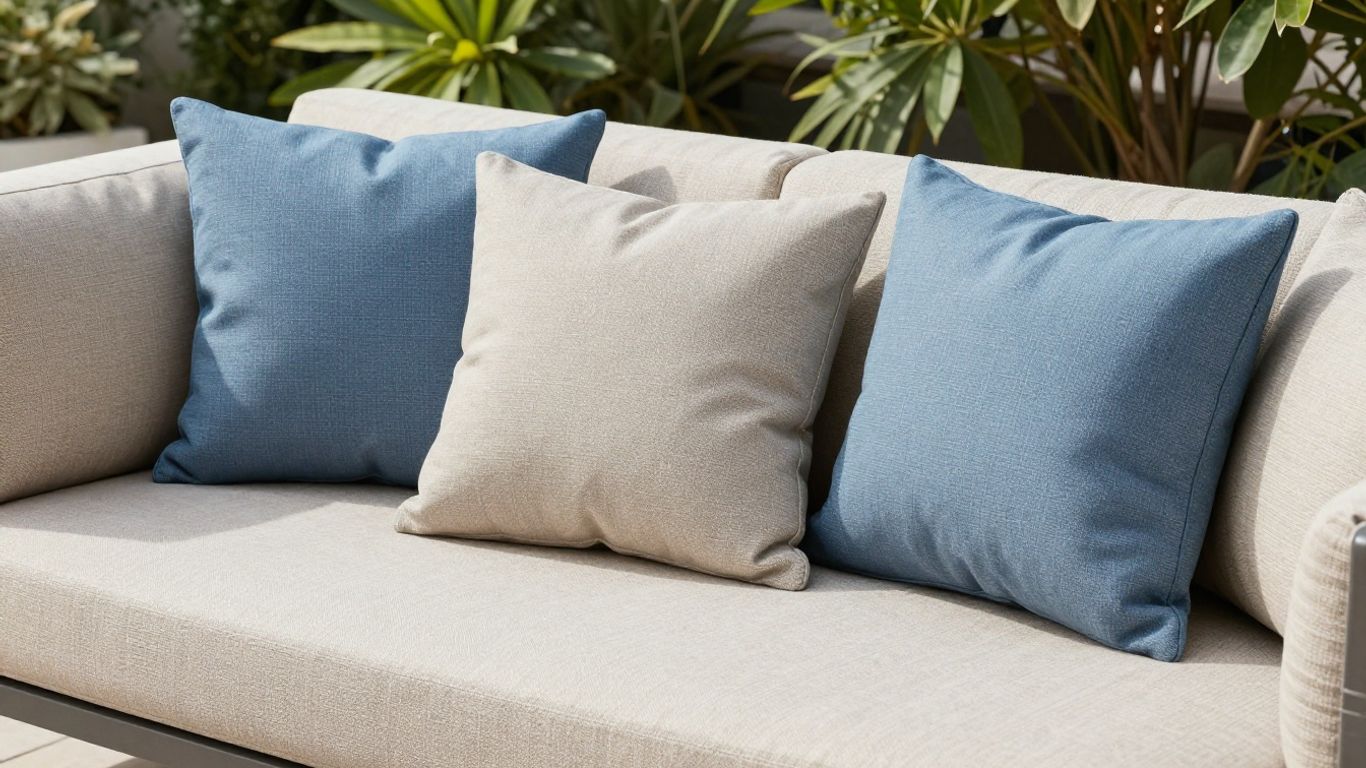
Solution-dyed acrylic is valued for colour stability and outdoor performance, while polyester can offer a practical balance of cost and comfort when appropriately treated. Olefin is another option often selected for its resistance to moisture and fading. The exact performance depends on the fabric specification, weave, backing, and care instructions.
Ask whether the fabric is UV resistant, stain resistant, mould or mildew resistant, and covered by a warranty. For example, the Sunbrella Outdoor Loungers product range is described as using stain- and mildew-resistant Sunbrella fabric. That claim belongs to the listed product range, so check the specification of any other cushion before assuming it has the same properties.
Look for quick-drying foam and breathable cushion construction
Outdoor cushions need a way for water to leave rather than remain trapped inside. Quick-drying foam, free-draining construction, breathable covers, and mesh or open bases can all help reduce drying time. Even then, cushions should not be left permanently saturated or pressed against a wet wall.
Turn cushions occasionally and give them space to air after rain. The Outdoor Daybeds range is described with quick-dry foam and six recline positions, making those features relevant when you are considering a daybed for extended lounging. Always confirm the exact construction and care guidance for the model you are buying.
Choose cushion thickness for support and relaxation
Thicker cushions can feel soft and generous, but thickness alone does not determine comfort. Foam density, seat depth, back support, and the angle of the frame matter just as much. Sit upright, recline, and check whether your feet rest naturally rather than judging only the first impression.
For dining-adjacent lounging, a firmer and slightly higher seat may be easier to use. For long, relaxed afternoons, deeper seating and supportive back cushions may suit you better. Comfort should fit your routine rather than an abstract idea of luxury.
Balance color, texture, and fade resistance
Choose colour with the surrounding walls, flooring, planting, and shade structures in mind. Pale fabrics can make a small area feel open but may show marks quickly; darker fabrics can feel grounded while becoming warmer in full sun. Texture adds depth, though very open weaves may collect more grit and pollen.
Request fabric samples when possible and view them outdoors at different times of day. A restrained base colour with replaceable pillows can give you more freedom to refresh the look without replacing every cushion. Care instructions should be easy to follow and realistic for your household.
Find a style that complements your home
Outdoor furniture should relate to the architecture rather than compete with it. Use the home’s lines, materials, and surrounding planting as a starting point, then introduce comfort through upholstery and accessories. Style is most successful when it supports the way the space is used.
Coordinate furniture with your architecture and landscaping
Repeat one or two visual cues from the house, such as timber tones, black metal, pale stone, or a clean linear shape. In a garden setting, softer curves and natural finishes may sit comfortably among planting, while a contemporary home may suit crisp profiles and restrained colours.
Do not forget the view behind the furniture. A busy arrangement can obscure planting or make a small courtyard feel crowded. Position larger pieces where they frame the space and reserve lighter items for edges and circulation routes.
Choose between modern, traditional, coastal, and transitional designs
Modern designs often rely on simple profiles and controlled colours, while traditional pieces may use more detail and familiar proportions. Coastal style can work with pale tones and relaxed textures, but it does not need to become themed. Transitional furniture combines elements from several styles and can be a sensible choice when your home sits between old and new.
Look for a common thread rather than matching every item. The frame finish, cushion colour, or table material can connect different pieces without making the patio look like a showroom set. Choose what you will still enjoy after seasonal trends change.
Layer color and texture with outdoor rugs and pillows
Rugs can define a seating zone and soften hard paving, while pillows add support and an easy way to introduce colour. Select outdoor-rated textiles and leave enough space around the rug for chairs to move naturally. A few varied textures usually feel more considered than a large collection of competing patterns.
Repeat colours from nearby pots, cushions, or planting so the additions feel integrated. Keep an eye on drainage and cleaning: accessories that cannot dry or be washed easily may become a source of work rather than comfort.
Use scale and visual balance to avoid a crowded look
Balance a substantial sectional with a similarly grounded table or a few open areas around it. Too many small pieces can look busy, while one oversized item can dominate the entire setting. Step back and view the arrangement from inside the house as well as from the patio.
Leave breathing room around arms, table edges, and doorways. If you need extra seats only occasionally, movable stools or an ottoman may preserve a better everyday layout than a permanently oversized sofa.
Set a realistic budget and compare value
A useful budget includes more than the main seating. Allow for tables, cushions, covers, delivery, assembly, storage, and any replacement parts that may be needed later. Comparing the total cost of ownership helps you distinguish a genuinely good value from a low initial price.
Separate quality essentials from optional features
Start with the features that affect safety, comfort, and weather performance: sound construction, suitable fabric, stable frames, supportive cushions, and drainage. Extras such as reclining mechanisms, wheels, storage, or custom colours may be worthwhile when they solve a real problem. They are less valuable when they simply add complexity.
Write two lists before shopping: must-have specifications and pleasant extras. That simple separation helps you protect the budget for the components you will touch and rely on every day.
Compare ready-to-assemble and fully assembled furniture
Ready-to-assemble furniture may cost less to deliver or offer easier access through narrow entrances, but you need time, tools, and care during construction. Fully assembled pieces can save effort and reduce the chance of incorrectly tightened joints, although they may require more planning for delivery and placement.
Ask about packaging, delivery access, assembly instructions, and whether the service includes positioning the furniture. A lower purchase price is not necessarily lower overall cost if assembly is difficult or damage occurs during an improvised move.
Evaluate warranties, replacement parts, and repairability
Read what the warranty covers, how long it lasts, and whether exclusions apply to fading, misuse, weather exposure, or normal wear. A fabric warranty is different from a frame warranty. Also ask whether cushion covers, connectors, glides, and hardware can be replaced rather than forcing you to discard a complete set.
Keep receipts, care instructions, and product details in one place. Clear support can matter just as much as the original specification, especially when outdoor furniture is used throughout the year.
Calculate long-term ownership and replacement costs
Estimate how often the furniture may need cleaning, refinishing, cover replacement, or cushion renewal. A more expensive frame may offer better value if it remains comfortable and serviceable for longer, while an inexpensive set may become costly if its fabric or hardware fails early.
Include practical costs such as storage space, seasonal covers, delivery, and moving. This outdoor furniture value guide can help you compare price, materials, warranties, and climate suitability before you commit.
Maintain and protect your outdoor lounge furniture
Maintenance does not need to be elaborate, but it does need to be consistent. Small actions prevent grime, moisture, and loose hardware from becoming larger problems. Build care into the rhythm of the seasons so your furniture stays ready to use.
Create a routine for cleaning frames and upholstery
Brush away leaves and grit before they work into fabric or joints. Wipe frames with a mild cleaning solution recommended for the material, and follow the fabric maker’s instructions for spills and stains. Test any cleaner on a hidden area first, and allow covers and cushions to dry completely before putting them back.
Do not use an aggressive treatment simply because it works quickly. Harsh chemicals or high-pressure water can damage finishes, seams, and protective coatings. Gentle, regular cleaning is usually easier on both the furniture and your weekend.
Use covers without trapping moisture
Covers are useful when they fit properly and allow air movement. A cover that holds dampness against cushions can encourage mildew, so never cover wet furniture and avoid sealing the underside completely when ventilation is poor. Remove covers on dry days so the furniture can breathe.
Choose covers designed for the dimensions and shape of your pieces. Secure them against wind, but leave enough room for air to circulate. In a sheltered area, a breathable cover may be more useful than a heavy waterproof one that traps condensation.
Store or secure cushions during severe weather
Bring cushions inside when heavy rain, strong wind, or extreme weather is forecast. If indoor storage is limited, use a dry, ventilated storage box rather than compressing wet cushions in an airtight container. Keep cushions elevated from damp floors and avoid storing them while they are even slightly wet.
Secure lightweight furniture, umbrellas, and loose accessories before a storm. It is easier to move a few pieces in advance than to repair a damaged frame or replace cushions after they have blown into a fence or garden bed.
Inspect fasteners, finishes, and fabric at the start of each season
Look for loose bolts, worn connectors, chipped finishes, frayed stitching, and water that is not draining as expected. Tighten or replace suitable hardware before the furniture becomes unstable. Check that feet and glides are still protecting the surface beneath the frame.
Seasonal inspections also give you a chance to wash covers, rotate cushions, and decide whether the layout still works. A few minutes of attention in spring and before winter can preserve comfort and make problems easier to solve while they are still small.
Conclusion
The right outdoor lounge furniture is a balance of proportion, comfort, material choice, climate suitability, and realistic care. When you measure first and buy around your actual routines, you can create an outdoor room that feels inviting rather than crowded and stays useful through changing seasons. Take your time comparing the details, because thoughtful choices will show up every time you sit down.
Frequently Asked Questions
How do I choose the right size outdoor lounge furniture?
Measure the usable area, traffic routes, door swings, and clearance around tables before comparing furniture dimensions. Leave enough room to walk comfortably and pull chairs out without blocking access.
What material is best for outdoor furniture?
The best material depends on your climate, exposure, maintenance preferences, and desired appearance. Compare aluminum, steel, wood, recycled plastic, and synthetic materials by their construction, finish, care requirements, and warranty.
How can I make outdoor cushions last longer?
Use suitable covers, clean spills promptly, allow cushions to dry fully, and store them during severe weather. Choose outdoor-rated fabric and construction designed to drain and breathe.
Is a sectional better than an outdoor sofa?
A sectional can make good use of a corner and provide flexible seating, while a sofa may suit a narrower or more formal arrangement. Choose based on your space, traffic flow, and how often you rearrange furniture.
Should outdoor furniture be covered all year?
Covers can help during periods of heavy exposure, but they should fit correctly and allow ventilation. Do not cover wet furniture or trap moisture beneath an impermeable cover.
How much should I budget for outdoor lounge furniture?
Set a total budget that includes seating, tables, cushions, delivery, assembly, covers, and future maintenance. Comparing warranties, repairability, and expected service life gives you a clearer view of value.
How often should I maintain outdoor furniture?
Brush and wipe furniture as needed, clean more thoroughly when dirt or spills appear, and inspect frames and fabrics at least at the beginning of each season. Increase care in coastal, humid, or heavily exposed locations.