

Weather resistant outdoor furniture: How to choose durable pieces for every outdoor space
Key Takeaways
Good outdoor furniture starts with an honest reading of your climate, your space, and the care you are willing to provide.
- Weather resistant does not mean completely weatherproof.
- Match materials and construction to sun, rain, humidity, wind, and salt air.
- Measure access routes as carefully as the patio itself.
- Look closely at frames, joints, finishes, cushions, and drainage.
- Covers, shade, cleaning, and seasonal storage can extend furniture life.
Understand what weather resistant really means
Weather resistant outdoor furniture is designed to cope with outdoor conditions, but it still benefits from sensible placement and care. The term describes improved resistance to moisture, sunlight, temperature changes, and everyday wear rather than an absolute promise of permanence. When you understand that distinction, you can choose pieces with realistic expectations. You can also spend more of your budget on the features that matter most in your setting.
Weather resistant vs. weatherproof
Weather resistant furniture can handle exposure better than indoor furniture, yet water may still enter seams, cushions can remain damp, and finishes can eventually fade. Weatherproof is often used casually, so read the product specifications rather than relying on the label alone. Ask whether the frame, fabric, foam, and hardware are all intended for outdoor use. A well-designed set may remain outside in ordinary conditions, while severe storms or long periods of neglect still call for protection.
How sun, rain, humidity, and wind affect materials
Sunlight gradually fades some fabrics and can dry or crack vulnerable surfaces. Rain is only part of the moisture problem: persistent humidity, poor airflow, and water trapped beneath cushions can encourage mildew. Wind adds movement, abrasion, and the risk of tipping, particularly for tall or lightweight pieces. Coastal air brings salt exposure as well, so you should consider corrosion resistance and rinse exposed frames periodically.
The right response depends on where the furniture sits. A sheltered Auckland balcony has different demands from an exposed deck or a sunny, windy garden. For a useful overview of climate, materials, placement, and care, browse this weather-resistant furniture guide before you compare individual designs.
Why no outdoor furniture is completely maintenance-free
Every outdoor material needs some attention, even if that attention is limited to removing leaves, wiping spills, and allowing cushions to dry. Dirt holds moisture against surfaces, while tree sap, salt, and bird residue can become harder to remove when left in place. Covers and shade reduce exposure, but they do not replace ventilation or cleaning. Small, regular tasks are usually easier than repairing neglected damage later.
Matching durability to your local climate
Start with the conditions your furniture will face most often, not with a material’s appearance in a showroom. In wet areas, prioritize drainage, airflow, and finishes that tolerate moisture; in bright areas, investigate UV and fade resistance. Windy sites call for stable frames and a plan for anchoring or storing movable pieces. If you live near the coast, salt-resistant materials and frequent freshwater rinsing deserve extra consideration.
Compare the best materials for outdoor furniture
Materials shape the look, weight, comfort, and maintenance routine of a set. No single option is ideal for every New Zealand home, so compare the complete construction rather than the frame alone. A beautiful material can perform poorly if its joints, finish, or cushions are not suited to outdoor use. The most practical choice is the one that fits both your climate and your habits.
Aluminum and steel for strength and stability
Aluminum is light, practical, and naturally resistant to rust, while a suitable coating can add protection and colour stability. Steel generally provides a heavier feel and useful stability, but you should inspect its protective finish and check for exposed areas where corrosion could begin. Look for clean welds, secure fasteners, and feet that will not trap water against the frame. Weight matters most where wind is common, although a heavy frame is not automatically well made.
Teak and other naturally durable woods
Teak is valued for its strength and outdoor performance, and it can weather to a softer grey if you leave it untreated. You may prefer to preserve its original colour with suitable care, or allow the surface to develop naturally. Other woods require closer attention to sealing, moisture, and seasonal movement. Check that timber is smooth, well joined, and designed to shed water rather than hold it in flat spots.
Wicker, rattan, and synthetic resin options
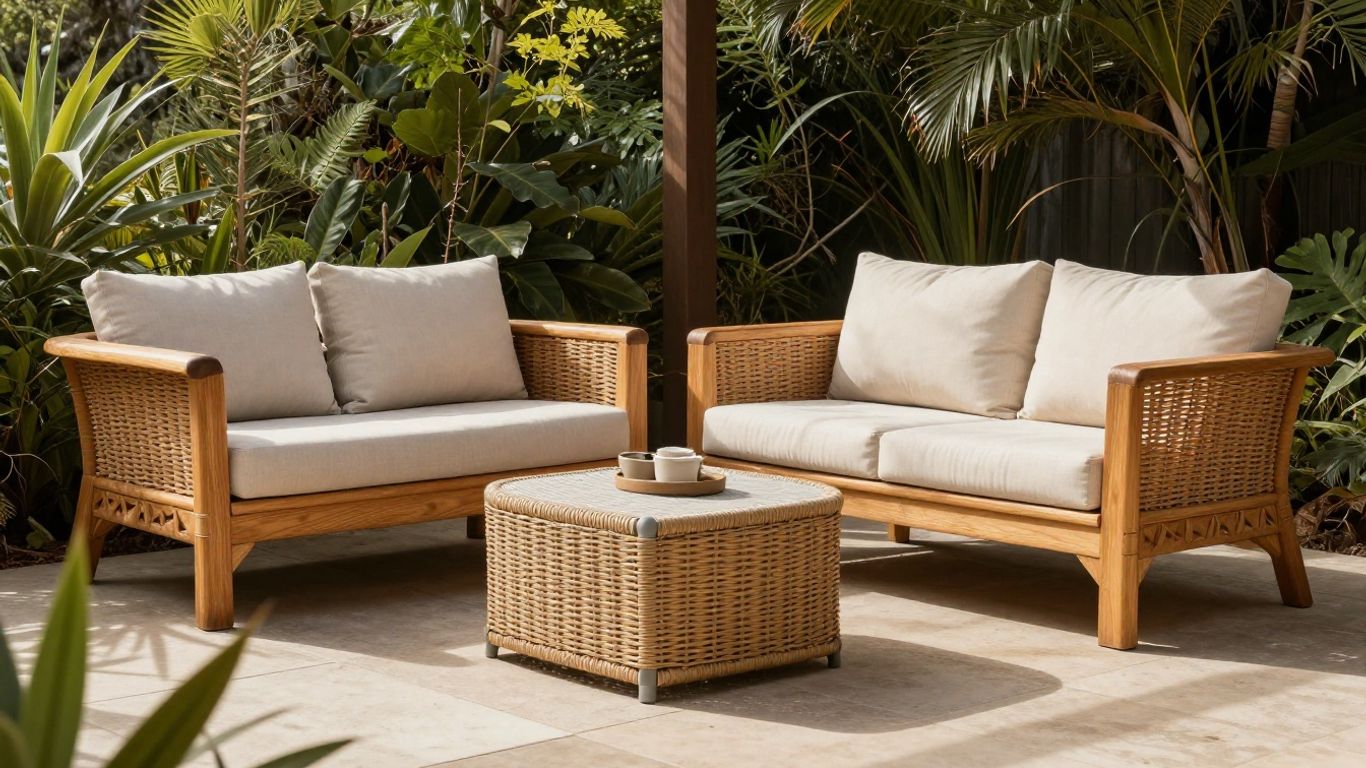
Natural rattan and wicker are not interchangeable with synthetic outdoor weave. Natural fibres can be attractive in protected spaces but are more vulnerable to prolonged damp and direct exposure. Synthetic resin or HDPE-style weave is generally chosen for better outdoor resilience, though the frame beneath it still deserves careful inspection. Look for an even weave, tidy edges, and enough ventilation for air to circulate around the cushions.
Plastic and recycled materials for low-maintenance setups
Plastic and recycled materials can suit busy households because they are easy to wipe down and do not require the same refinishing routine as timber. Their performance varies, so check for UV stability, structural thickness, colour retention, and resistance to cracking in temperature changes. Recycled material may also be relatively heavy, which can help in exposed areas. Consider how the surface feels in strong sun and whether the design can be repaired or replaced in parts.
A simple comparison can clarify the trade-offs before you shop. Use it as a starting point, then confirm the actual specifications for the piece you are considering.
| Material | Useful quality | Check before buying |
|---|---|---|
| Aluminum | Light and rust resistant | Coating, joints, and wind stability |
| Steel | Substantial and stable | Corrosion protection and exposed hardware |
| Teak | Naturally durable timber | Moisture movement and care preference |
| Synthetic resin | Outdoor-friendly woven appearance | UV performance and frame quality |
| Recycled plastic | Easy-care and often weighty | Colour stability and repair options |
The table is a guide, not a ranking. A well-built steel chair may outperform a poorly finished aluminum one, and a timber table may last beautifully when it is cleaned and positioned thoughtfully. Compare the frame, surface, and soft furnishings as one system.
Choosing cushions and fabrics that resist moisture
Cushions often determine whether outdoor seating stays comfortable over time. Look for removable covers, breathable construction, free-draining or quick-drying fillings, and fabric specified for UV exposure. Sunbrella fabric is a solution-dyed acrylic fabric described for fade resistance, with care guidance for common outdoor stains. Even a weather-ready cover should be lifted after rain so air can reach the cushion beneath it.
Choose furniture for your space and lifestyle
A durable set is only useful if you can live with its size, comfort, and position. Measure the space, map how people move through it, and think about what you actually do outdoors. A compact balcony may need foldable or narrow pieces, while a family deck may benefit from modular seating and a generous dining surface. Your daily routine should guide the layout as much as the style.
Measuring patios, balconies, decks, and gardens
Measure the usable floor area, not just the overall boundary. Record doors, steps, railings, posts, outdoor kitchens, and the swing of gates or sliding doors. Leave enough clearance to pull out dining chairs and walk around occupied seating. You should also measure lifts, stairwells, hallways, and gates if delivery access is tight.
A useful outdoor layout guide can help you plan your furniture layout around sun, shade, wind, and everyday movement. Mark the proposed footprint with tape or cardboard before ordering; the exercise often reveals that a seemingly small extra table changes the whole circulation path.
Selecting pieces for dining, lounging, or entertaining
Dining furniture needs comfortable seat height, practical legroom, and enough space for serving dishes. Lounge furniture can take up more floor area, but seat depth, back support, and cushion recovery become more important. If you entertain often, choose a layout that allows guests to face one another without blocking the main route. For smaller spaces, a side table or bench can add flexibility without committing to another large chair.
Balancing weight, portability, and wind resistance
Think about how often you will move each piece. A lightweight chair is convenient for cleaning or rearranging, but it may need a sheltered position in strong wind. Heavier tables and stable bases can remain more confidently in exposed locations, though they must still be movable enough for maintenance. Adjustable feet are useful where paving is uneven; aluminium side tables are one example of outdoor tables described with adjustable feet for stability.
Planning for storage and seasonal use
Before buying, decide where cushions, covers, and small accessories will go during wet or stormy periods. Storage does not need to mean a large shed: a ventilated deck box, covered porch, or dry utility area may be enough for removable components. If you cannot store a whole set, prioritize pieces that are easy to cover and reposition. Build that plan into your budget rather than treating it as an afterthought.
Evaluate construction quality before buying
Material names can sound reassuring, but construction determines how a piece behaves after years of use. Look beyond photographs and inspect joins, underside details, drainage paths, and the way finishes meet corners. If you shop in person, sit down, shift your weight, and listen for movement or creaking. Online, use detailed product images and specifications, then ask for clarification when an important detail is missing.
Inspecting frames, joints, and hardware
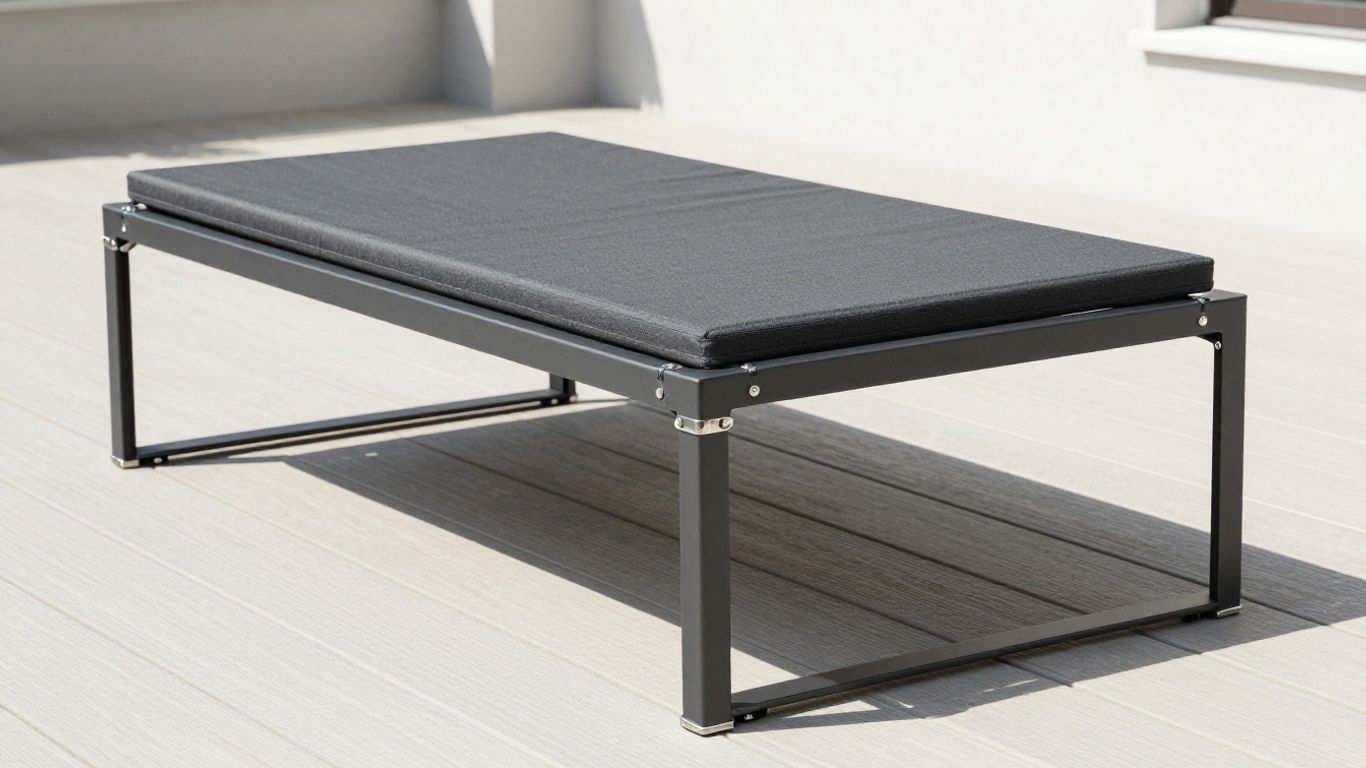
Frames should feel square and steady, with joints that meet cleanly and hardware that is appropriate for outdoor exposure. Check whether screws are corrosion-resistant and whether welded areas are smooth and evenly finished. On woven furniture, inspect how the material terminates around corners and arms. A chair that rocks on a flat surface may indicate a simple adjustment issue, but it can also point to poor construction.
Checking finishes, coatings, and UV protection
A coating should cover the frame evenly, including edges and less visible areas. Ask what kind of protection is specified for sunlight and whether the colour is expected to change with age. Timber may be intentionally unfinished, while metal usually depends more heavily on its protective surface. Scratches should be dealt with promptly, especially in damp or salty environments, because exposed material can deteriorate faster.
Assessing cushion foam, covers, and drainage
Open or examine cushions where possible and look for a supportive core that does not collapse immediately under pressure. Removable covers make cleaning easier, while drainage and airflow help reduce the time moisture remains inside. Quick Dry Foam is listed for outdoor seating as a feature that supports faster drying after wet conditions. Whatever the product, avoid assuming that quick drying means the cushion can be left permanently saturated.
Using warranties and product specifications
Read the warranty before you buy, paying attention to what is covered, for how long, and under which conditions. Fabric coverage may differ from frame coverage, and damage caused by misuse or poor care may be excluded. Product specifications should also clarify dimensions, materials, weight limits, delivery access, and recommended maintenance. Keep receipts, care instructions, and photographs of the item when it arrives.
Protect outdoor furniture from harsh conditions
Protection begins with placement, not with a cover purchased after the first storm. Observe where rain pools, where afternoon sun lands, and which direction strong winds travel through your property. Even durable furniture lasts better when water can drain and air can circulate. A few small layout changes can reduce the daily load on frames, finishes, and cushions.
Positioning furniture to reduce sun and wind exposure
Use existing walls, pergolas, trees, or umbrellas to soften direct sun without blocking necessary airflow. Avoid placing furniture where roof runoff falls directly onto cushions or where wind funnels between buildings. Keep timber and metal off constantly wet ground when possible. Rotate movable pieces occasionally so one side does not receive all the exposure.
Using covers, shade, and proper drainage
Choose breathable covers that fit without pressing water into the fabric, and remove them during clear, dry weather so condensation can escape. Shade helps slow fading and heat buildup, but it should not create a damp pocket around the furniture. Make sure cushions are raised from puddles and that table surfaces can shed water. Covers work best as part of a protection routine, not as a permanent substitute for airflow.
Securing lightweight pieces during storms
Move light chairs, stools, umbrellas, and loose accessories to a sheltered area when severe weather is forecast. Stack only pieces designed to stack, and avoid tying furniture to fragile railings or plants. Heavy planters or approved anchors may help with some items, but never create a trip hazard or obstruct an exit. Storm preparation is quicker when every movable piece has a planned storage spot.
Storing cushions and removable components
Bring cushions indoors or place them in a dry, ventilated container before extended rain. Do not pack them away while damp, since trapped moisture can lead to mildew and unpleasant odours. Store covers loosely rather than compressing them when wet, and keep small hardware together if a table or chair is dismantled seasonally. For larger seating, removing cushions may be enough to protect the most vulnerable parts.
Maintain weather resistant outdoor furniture over time
Maintenance should be simple enough that you will actually do it. Establish a quick monthly check for dirt, loose hardware, standing water, surface damage, and cushion dampness, then make a deeper clean before and after the wettest season. Follow the care instructions for each material because a harsh cleaner that suits one surface may damage another. Consistent care protects both appearance and comfort.
Cleaning different materials safely
Begin with a soft brush or cloth to remove loose debris, then use mild soap and water unless the manufacturer specifies something else. Rinse thoroughly so residue does not remain on the surface. For woven furniture, work gently around the weave; for timber, avoid leaving it waterlogged. Let cushions dry fully in a ventilated place before putting them back on the frame.
Preventing rust, mildew, fading, and cracking
Inspect metal for scratches, bubbling, or rust spots and address them early. Keep fabric clean and dry, improve airflow around cushions, and avoid placing furniture where sprinkler water constantly reaches it. Shade and breathable covers can reduce fading, while suitable timber care helps limit surface cracking. Salt and grime should be rinsed away more often in coastal locations.
Refinishing and replacing worn components
Some timber can be lightly cleaned, sanded, and treated according to its care instructions. Metal may need a compatible touch-up coating, while woven sections or cushion covers might be replaceable rather than requiring an entire new set. Replace damaged feet, loose fasteners, and split covers before they affect the structure. If a cushion has lost support or remains damp inside, a replacement insert may restore comfort more effectively than extra cleaning.
Knowing when repair or replacement makes sense
Repair is sensible when the frame is sound and the problem is limited to hardware, finish, feet, or soft components. Replacement becomes more practical when corrosion has weakened structural joints, timber has significant rot, or a frame is no longer stable. Compare repair costs with the age and quality of the furniture, including whether matching replacement parts are available. A thoughtful replacement can also resolve a layout or comfort problem that maintenance cannot.
Conclusion
Choosing weather resistant outdoor furniture is less about finding one perfect material and more about matching construction, comfort, placement, and maintenance to your life. Measure carefully, inspect the details, protect vulnerable components, and choose a care routine you can sustain. With those habits in place, your outdoor space can remain welcoming through bright days, wet seasons, and the changing demands of New Zealand weather.
Frequently Asked Questions
What does weather resistant outdoor furniture mean?
It means the furniture is designed to tolerate outdoor conditions better than indoor furniture, including some combination of sunlight, rain, humidity, and temperature changes. It does not mean the furniture is immune to damage or requires no care.
Which outdoor furniture material lasts the longest?
Longevity depends on the material, construction, climate, placement, and maintenance. Durable timber, properly protected metal, synthetic weave, and recycled materials can all perform well when their specific strengths match the environment.
Can outdoor furniture stay outside all year?
Some pieces can remain outside in ordinary conditions, especially when they are well placed and protected. Cushions and removable components usually benefit from indoor or dry, ventilated storage during prolonged rain, storms, or winter exposure.
Is aluminum better than steel for outdoor furniture?
Aluminum is lighter and naturally resistant to rust, while steel often feels heavier and more stable. The better option depends on wind exposure, coating quality, portability, and the level of care you are prepared to provide.
How do you stop outdoor cushions from getting moldy?
Improve airflow, remove covers during dry weather, avoid storing cushions while damp, and clean spills and organic debris promptly. Good drainage and quick-drying construction also reduce the time moisture remains inside the cushion.
Do outdoor furniture covers prevent all weather damage?
No. Covers can reduce direct rain, sun, and dirt, but they must be breathable and correctly fitted. Condensation, trapped moisture, poor drainage, and strong wind can still cause problems if covers are left in place carelessly.
When should outdoor furniture be replaced?
Replace furniture when structural damage makes it unstable or unsafe, or when repairs cost more than the piece is reasonably worth. If only the fabric, foam, feet, finish, or hardware is worn, replacing that component may be a better option.