

Weather resistant outdoor furniture NZ: how to choose pieces that last
Key Takeaways
Choosing outdoor furniture that lasts starts with the conditions it will face, not just the look you want. A few careful checks can help you balance comfort, durability, and upkeep.
- Assess sun, rain, wind, and salt exposure in your own outdoor area.
- Match frame and surface materials to your climate and maintenance preferences.
- Inspect joints, finishes, drainage, and stability before you buy.
- Choose outdoor-rated fabrics and decide where cushions will go when it rains.
- Measure carefully and follow the maker’s cleaning and care guidance.
Understand the weather your furniture will face
New Zealand’s weather varies widely, and conditions can change from one side of a house to the other. Before comparing styles, notice what your deck, patio, or balcony actually experiences through the year. The right choice for a sheltered courtyard may not suit an exposed coastal terrace.
Compare coastal, inland, and high-altitude conditions
Coastal furniture may face salt carried on the wind, while inland areas can bring hot sun, rain, and larger temperature swings. At higher elevations, colder conditions and frost may also affect how often you use the space and whether furniture needs winter protection. Think about the conditions your furniture will encounter repeatedly, rather than choosing based on a single season.
| Setting | Conditions to consider | Practical question |
|---|---|---|
| Coastal | Salt air, wind, strong sun | Can you rinse or clean frames regularly? |
| Inland | Sun, rain, temperature changes | Will the finish and fabric suit both hot and wet periods? |
| High altitude | Cold, frost, wind | Is there a sheltered or dry place for cushions? |
These are starting points, not fixed rules: a hedge or roof can change the exposure considerably. For more ideas on matching furniture to your local climate, consider both your region and the smaller conditions around your home.
Factor in UV exposure, rain, wind, and salt air
Sunlight can fade fabrics and finishes over time, while standing water and dampness can leave furniture looking tired or make cushions slow to dry. Wind can shift lightweight pieces, and salt air calls for extra attention to metal surfaces and fasteners. Repeated exposure matters most: a few hours of sun each day can add up across a long summer.
Check whether your outdoor area is exposed or sheltered
Look at the space at different times of day, and note whether it is shaded by a roof, wall, or tree. A sheltered area may let you consider a wider range of materials, though cushions still need a plan for wet weather. On an open deck, choose pieces suited to regular exposure and think about where you could move them during a storm.
Choose materials that suit your location
No single material is ideal for every outdoor space. Consider how much sun, moisture, and salt air your furniture will face, then weigh appearance against care and storage needs. Design Concepts curates design-led outdoor furniture collections intended for New Zealand’s climate.
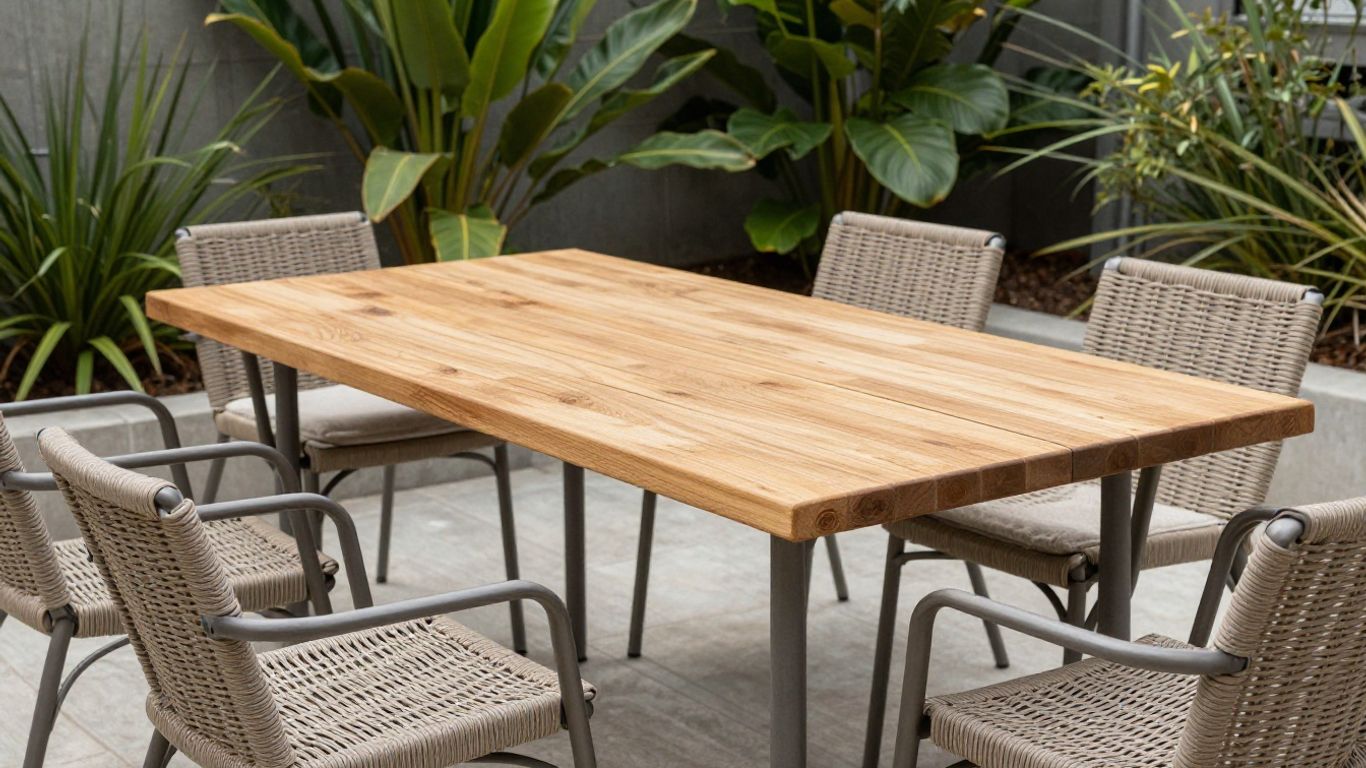
Compare aluminum, stainless steel, and powder-coated metal
Metal frames can give an outdoor setting a clean, structured look, but finishes and fasteners matter as much as the frame material. Aluminum is often chosen for its light weight, while stainless steel and powder-coated metal offer other options depending on the design and the setting. Ask what care the manufacturer recommends, especially if the furniture will sit near the sea.
A simple comparison can help you narrow the options without assuming every finish behaves the same way.
| Material | What to consider | Useful check before buying |
|---|---|---|
| Aluminum | Light weight and ease of moving | Inspect joints and the quality of the finish |
| Stainless steel | Suitability for the intended location | Ask about cleaning and maintenance guidance |
| Powder-coated metal | Coating condition and possible chips | Check edges, corners, and fastener areas |
| Outdoor timber | Natural appearance and ongoing care | Confirm cleaning and finish recommendations |
Use the table as a prompt for questions, not a substitute for the product’s care instructions. A well-matched frame and finish can make regular upkeep simpler.
Weigh the benefits of teak and other outdoor timber
Timber brings warmth and texture to a deck or garden, and different species and finishes have different care requirements. Teak is a familiar outdoor option, but it still benefits from appropriate cleaning and attention to the maker’s advice. If you like the look of timber, decide whether you are comfortable with its natural changes in colour and the maintenance it may need.
Consider synthetic wicker and weather-resistant plastics
Synthetic wicker and outdoor-rated plastics can suit spaces where you want an easy-care surface or a softer, woven appearance. Check how the weave is attached to the frame and whether the material is intended for the level of sun exposure in your space. A sample or close look at the finish can help you judge texture and colour before committing to a full setting.
Check how well each piece is built
Material names only tell part of the story; construction affects how furniture feels and holds up in daily use. Look closely at the parts you can see, and ask questions about anything hidden by upholstery or decorative finishes. A sturdy, well-finished piece should feel appropriate for the way you plan to use it.
Inspect frames, joints, fasteners, and finishes
Check that the frame sits evenly and that joints look secure, without visible gaps or rough edges. Fasteners should be neat and appropriate to the furniture’s intended setting, while painted or coated surfaces should look consistent. These small details are useful clues when you compare similar-looking pieces at different price points.
Look for drainage and ventilation in seats and tables
Outdoor furniture is easier to live with when water does not collect in places that are difficult to dry. Look for slatted or otherwise well-draining surfaces where appropriate, and check whether seats allow air to circulate around cushions. If the design includes recesses or enclosed sections, ask how they should be dried after heavy rain.
Assess stability for exposed decks and windy areas
A piece that is easy to move can be useful on a small patio, but it may need to be secured or relocated in a windy spot. Try chairs for wobble and check that tables feel steady on your paving or deck boards. For an exposed area, consider how the furniture’s shape and weight will work with the available shelter rather than relying on weight alone.
Select fabrics and cushions for outdoor use
The most comfortable outdoor setting is one you can use without worrying about every passing shower. Fabric, filling, and storage all affect how quickly cushions dry and how well their appearance holds up in the sun. Think about your habits as well as the product details.
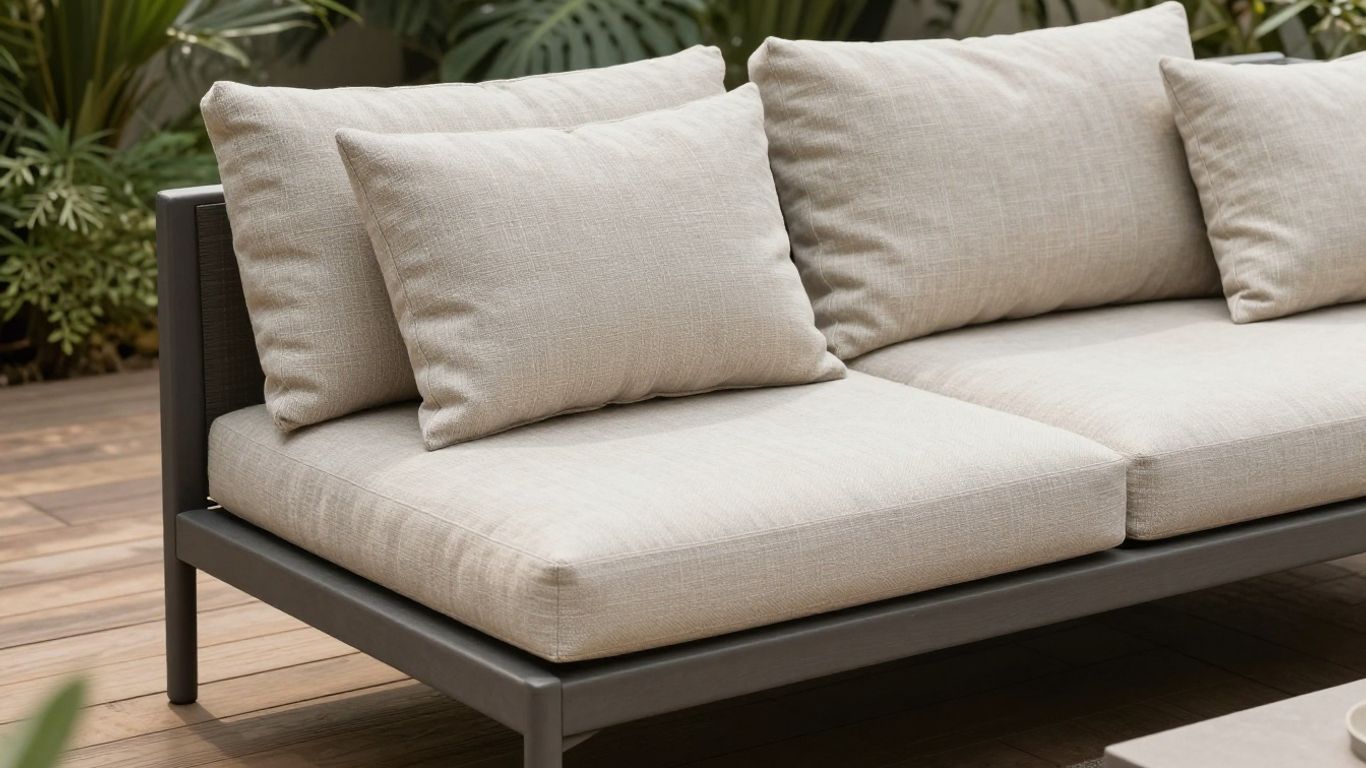
Look for UV-resistant, quick-drying fabric
Check product information for clear descriptions of outdoor fabric performance, including UV resistance and drying features. Design Concepts describes its fabrics as UV and fade resistant, mould and mildew resistant, with quick-dry foam on its outdoor furniture range. Confirm the specifications for the particular piece you are considering, since features can vary by item.
A fabric description is most useful when you connect it to how you live: full sun calls for attention to fading, while a damp, shaded corner makes drying time more relevant. You can also explore UV protection for outdoor fabrics when comparing fabric options and care expectations.
Compare removable covers with built-in upholstery
Removable covers can make cleaning more convenient, but check the washing instructions and how easily they go back on. Built-in upholstery may give a neat, tailored look, though you will want to know how to clean marks and dry the cushion after rain. In either case, ask whether the cover is intended to remain outdoors continuously or needs more protection.
Plan where cushions will go during prolonged wet weather
A cushion that can handle occasional moisture may still benefit from being brought inside during an extended wet spell. Before buying, identify a dry storage spot, such as a deck box, covered area, or indoor cupboard. For practical ideas about caring for outdoor furniture, build a simple routine around the weather and the materials you choose.
Match furniture to your space and lifestyle
A beautiful set can feel awkward if it crowds the doorway or blocks the route across the deck. Start with the way you use the space, then choose furniture that supports those routines. A little measuring beforehand can prevent a costly mismatch.
Measure the area and allow room to move
Measure the footprint of the area, including doors, steps, and any fixed planters or railings. Mark out the furniture dimensions on the ground if you can, then check that there is still comfortable room to pull out chairs and walk past. Leave enough space for everyday movement, not just the arrangement when everything is pushed in.
Choose dining, lounging, or modular pieces for how you use the space
If meals outdoors are a regular part of your week, a dining table and comfortable chairs may earn their space more often than extra lounge seating. A lounge arrangement may suit a spot where you read, rest, or host friends, while modular pieces can offer flexibility when the layout changes. If you entertain, consider how people will move between seating, food, and the house.
Consider weight, stackability, and storage options
Think about how often you will rearrange the furniture and whether you have somewhere to store pieces during severe weather. Stackable chairs can help make a compact patio more adaptable, while lighter furniture may be easier to move but less settled in exposed conditions. Choose the trade-off that fits your space and your willingness to bring furniture in or cover it.
Protect your furniture through the seasons
Outdoor-rated furniture still needs occasional care, and a few simple habits can help keep it comfortable and presentable. Your routine will depend on the materials, the amount of exposure, and how often the space is used. Follow the product guidance rather than relying on one cleaning method for every surface.
Clean materials using suitable products
Start with the manufacturer’s care instructions and use products intended for the material and finish. Regularly clear away leaves, dust, and other debris so moisture is less likely to linger around joints or under cushions. If you are unsure whether a cleaner is suitable, test a small, discreet area first or ask the retailer for guidance.
Use covers without trapping moisture
Covers can reduce direct exposure to rain and debris, but furniture should be dry before you cover it where possible. Choose a cover that fits without sealing dampness inside, and allow ventilation rather than wrapping the piece tightly for long periods. Remove the cover from time to time to check for moisture and let the furniture air out.
Follow manufacturer guidance for care and warranties
Keep the care information that comes with your furniture, including any conditions that apply to warranties. Before purchasing, check what is covered and whether the warranty applies to fabric, frame, or another component. Design Concepts lists a five-year fabric warranty; check the terms for the specific product you choose.
A seasonal check can be as straightforward as cleaning surfaces, looking over fasteners, and bringing cushions into a dry place when wet weather is expected. Small, regular steps are usually easier than trying to restore furniture after a long period of neglect.
Conclusion
The best weather resistant outdoor furniture NZ choice is the one that suits your particular exposure, space, and care routine. Compare materials and construction carefully, plan for cushions and storage, and follow the maker’s guidance so your outdoor area stays welcoming through changing seasons.
Frequently Asked Questions
What does weather-resistant outdoor furniture mean?
It means the furniture is designed to handle some outdoor conditions, but it does not mean it is immune to sun, rain, wind, or salt. Check the product’s specific materials, care instructions, and limits.
Can outdoor furniture stay outside all year in New Zealand?
Some pieces may be suitable for year-round outdoor use, but exposure varies by location and product. Cushions and furniture in especially wet, windy, or coastal settings may need extra protection or storage.
Which outdoor furniture material is best near the coast?
There is no single best choice for every coastal property. Look for material and finish details suited to salt exposure, and ask the manufacturer how to clean and maintain the specific piece.
Is teak a good choice for outdoor furniture?
Teak is a popular outdoor timber, but it still needs care and may change appearance over time. Check the product guidance and decide whether its maintenance suits your preferences.
How do I stop outdoor cushions from getting damp?
Choose outdoor-rated cushions with suitable drying features, and store them in a dry place during prolonged wet weather. Allow cushions to air after rain rather than covering them while damp.
Should I cover outdoor furniture when it rains?
A suitable cover can help limit exposure, but furniture should be dry when possible and the cover should allow ventilation. Check it periodically so moisture does not become trapped underneath.
How much space should I leave around outdoor furniture?
Leave enough clearance to pull out chairs, open doors, and walk through the area comfortably. Measuring the furniture footprint and marking it out before purchase can help you judge the layout.