

Outdoor sofas NZ: how to choose the right sofa for your space
Key Takeaways
Choosing an outdoor sofa is easier when you begin with how you use your space, then compare fit, comfort, materials, and upkeep.
- Choose a standalone sofa, modular arrangement, or corner lounge to suit your space and the way you host.
- Compare frame, fabric, and cushion materials with your local weather and maintenance preferences in mind.
- Measure the furniture area and access routes, then leave room for people to move around comfortably.
- Test seat depth and back support, and check whether cushions can be removed and stored.
- Compare the whole cost of ownership, including care, covers, accessories, and warranty terms.
Understand the main types of outdoor sofas
Outdoor sofas come in a range of configurations, from a single compact seat to a generous arrangement for a group. The right one depends on the shape of your outdoor area and whether you mainly want a quiet place to unwind or room to gather. As you compare the overall footprint, consider how the sofa will work with the furniture you already have.
Compare standalone sofas, modular sets, and corner lounges
A standalone sofa is straightforward to position and can suit a balcony or smaller deck where every centimetre matters. Modular pieces give you more freedom to change the arrangement, while a corner lounge can make a larger patio feel like one inviting conversation area. For a wider look at outdoor sofa choices, compare the shapes and layouts that best match the space you have.
Decide whether a sofa or full lounge set suits your needs
A sofa can be all you need if you already have chairs or simply want a comfortable place to sit. A full lounge set may make more sense when you are furnishing an empty patio, since coordinated pieces can provide a ready-made seating area. Think about what you will actually use; an extra chair or table is only good value if it earns its place.
Match the sofa configuration to how you entertain
For relaxed conversations with a few guests, separate seating can make it easy for people to turn toward one another. If you host larger groups, a sectional arrangement can create a shared gathering spot, while modular pieces make it easier to adjust the layout for different occasions. You can also browse modular lounge layouts for ideas on how different configurations work across patios, decks, and gardens.
Choose materials that suit New Zealand conditions
Sun, showers, wind, and salty coastal air can all affect how outdoor furniture looks and feels over time. Materials vary in weight, maintenance needs, and how well they suit an exposed or sheltered spot, so it pays to compare the whole construction rather than choosing by appearance alone. A few practical differences are worth keeping in mind before you decide.
Compare aluminum, steel, timber, and synthetic frames
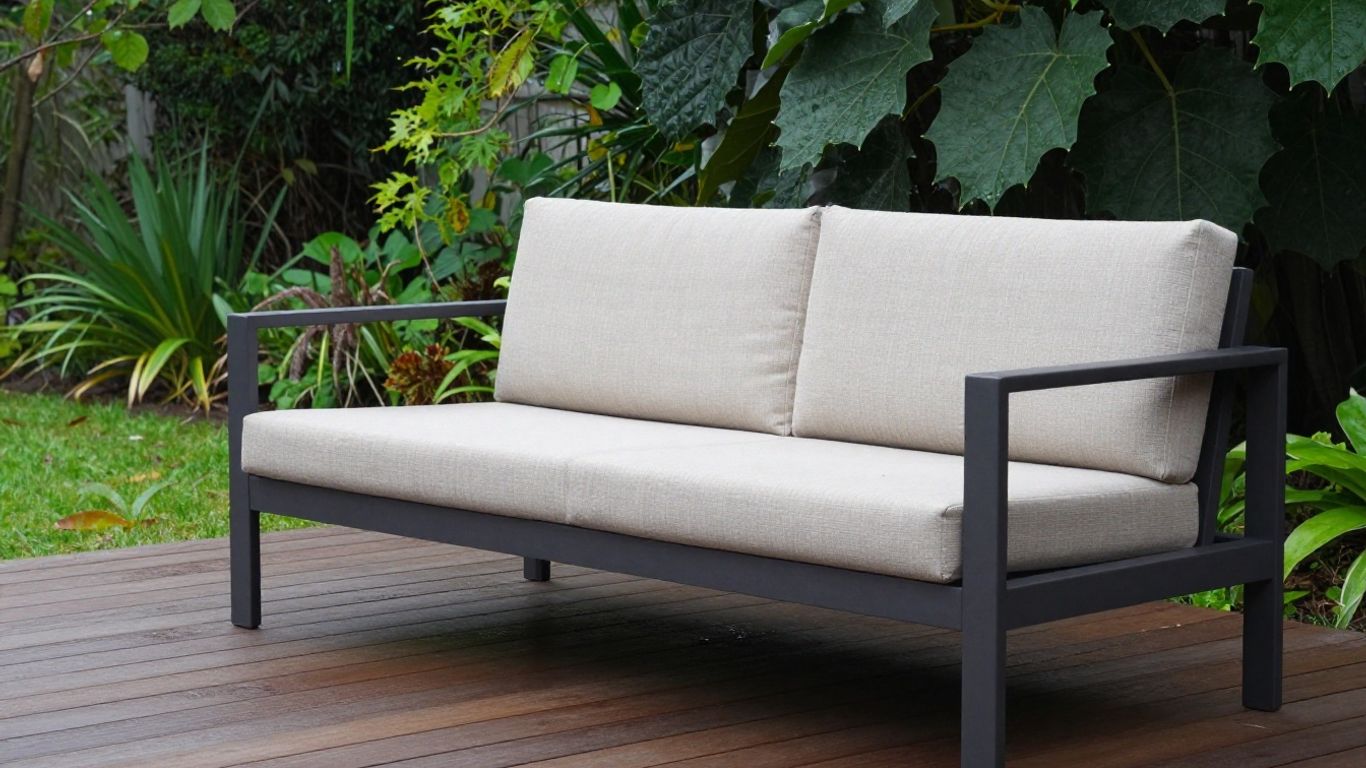
Each frame material has its own look and care requirements, and the finish matters as much as the base material. Aluminium is often chosen for its lighter weight, while steel can feel substantial; either should have a suitable finish for outdoor use. Timber brings natural warmth, and synthetic frames can offer a woven look without natural rattan, but quality and maintenance guidance vary by product. For one specific example, the Kapiti Single Sofa has a marine-grade aluminium frame, quick-dry foam, and a water-draining Textilene base.
A simple comparison can help you shortlist options, but always check the care instructions for the exact sofa you are considering.
| Frame material | What to consider | Useful question |
|---|---|---|
| Aluminium | Weight, finish, and intended outdoor use | Is the frame finish suited to your location? |
| Steel | Protective finish and care if it gets scratched | How should you maintain the finish? |
| Timber | Appearance and the upkeep recommended by the maker | Does the care routine suit your habits? |
| Synthetic weave | Material quality and exposure to sun and weather | Is the weave designed for outdoor use? |
The table is a starting point, not a ranking: finish, construction, and care directions can differ between individual pieces. If you live near the coast or your furniture will be fully exposed, ask specifically how the frame should be maintained in those conditions.
Evaluate fabric and cushion options for outdoor use
Cushions affect both comfort and how much effort you spend looking after the sofa. Check whether the covers are removable, what the fabric guidance says about sun exposure, and how the cushion filling is intended to dry after getting wet. The Opito Double Sofa, for example, is described with handwoven UV-resistant rope and fade-resistant Sunbrella fabric; its listing also specifies adjustable feet.
Check how finishes hold up to sun, rain, and coastal air
Outdoor furniture still benefits from sensible placement, especially in a spot exposed to strong sun or frequent weather. Check whether the product information describes resistance to fading or corrosion, and follow its recommendations for cleaning and storage. The Tolaga Bay Single Sofa is described as weather-ready, with durable Sunbrella fabric, spring-loaded seating, and a modular design; those are product-specific details rather than a promise that every sofa needs no protection.
Measure your space and plan the layout
A sofa that looks compact in a showroom can feel much larger once it is on your deck. Measure the usable area, not just the overall patio, and take note of doors, steps, planters, and other pieces that shape the layout. If you are comparing outdoor sofas nz options, this early check can help you avoid choosing a configuration that makes the space awkward to use.
Measure the available area, including access routes
Measure the width and depth of the area where the sofa will sit, then check the route it needs to travel from the delivery point. Narrow gates, corners, stairs, and doorways can all affect whether a large piece can be brought into position. Compare those measurements with the sofa’s dimensions, and check whether any parts can be separated for delivery or assembly.
Leave enough room for movement and side tables
A layout should leave you room to walk through, sit down, and reach a table without squeezing past furniture. Before you buy, use tape or simple paper templates to mark the sofa and any tables on the ground. A short list of measurements makes the plan easier to check with others at home:
- Sofa width and depth, including any projecting arms or feet.
- Space for a clear walking route around or beside the seating.
- The footprint of side tables, planters, or a coffee table.
- Door and gate openings along the delivery route.
Once the shapes are marked out, try walking through the arrangement as you would on an ordinary day. That quick test can reveal pinch points that are easy to miss on a floor plan.
Plan for shade, drainage, and changing weather
Look at where the sun falls at the time you expect to use the sofa, and consider whether an umbrella or pergola can provide shade. Check that rainwater can drain away instead of pooling under the furniture, and avoid blocking the route to doors or drains. A sheltered position may also make it easier to keep cushions clean and dry between uses.
Find the right comfort and style
Outdoor seating should feel welcoming enough that you actually want to use it. Comfort is personal, so compare the proportions of the seat and back rather than relying on a product photo alone. Your preferred look matters too, but it should work with the deck, patio, and planting around it.
Compare seat depth, back support, and cushion firmness
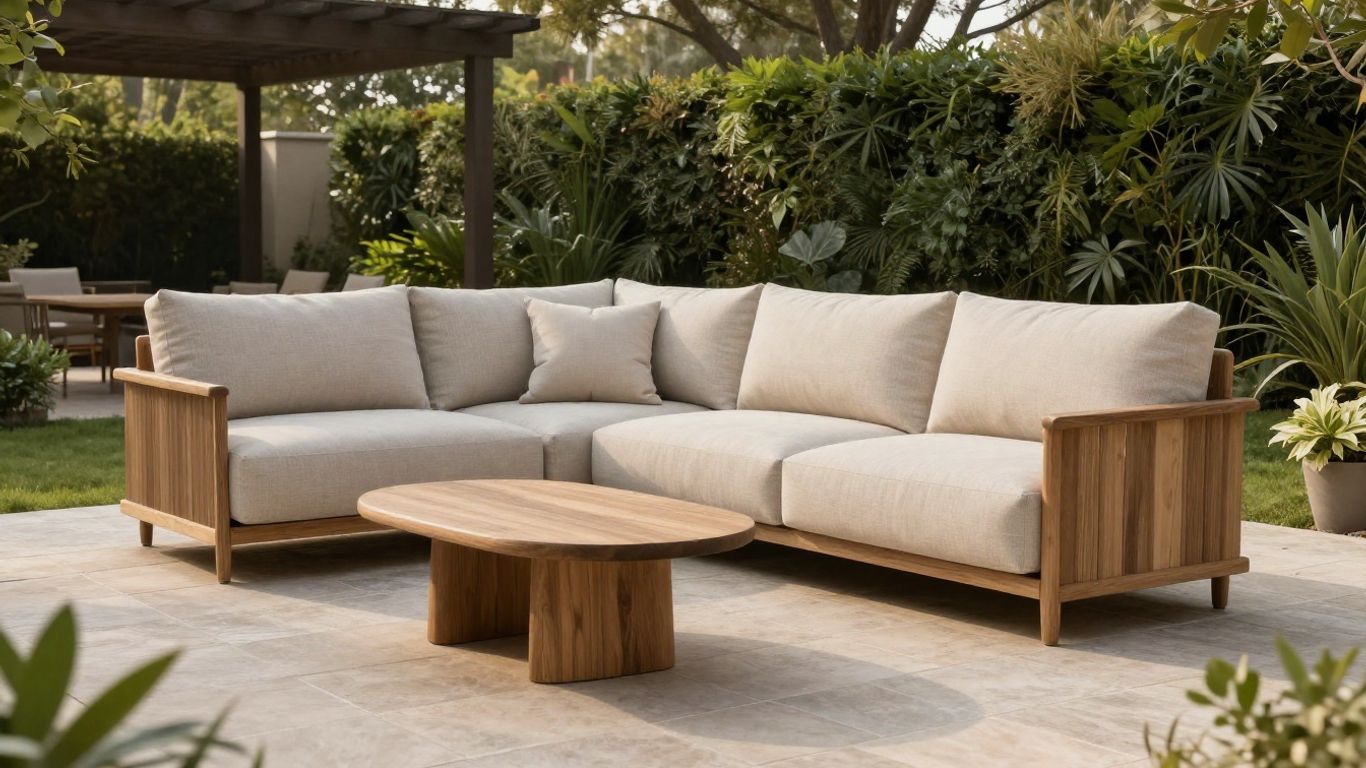
If you can, sit on a sofa before buying and notice how easily you can get in and out of it. A deeper seat may feel relaxed for lounging, while a firmer or more upright design can suit shorter visits and conversation. Pay attention to back support and cushion firmness, since a sofa that looks inviting may not feel right for everyone in your household.
Choose colors and shapes that work with your outdoor area
Take cues from your existing finishes, such as the color of the deck, paving, fence, and nearby planting. Neutral tones can be an easy starting point, while a stronger cushion color can add character without changing the whole scheme. Rounded or woven shapes may soften a hard-edged patio; cleaner lines can sit comfortably alongside modern architecture.
Check whether cushions are removable and easy to store
Removable covers can make routine cleaning simpler, but check the manufacturer’s care directions before washing them. Consider where you will keep cushions when they are not in use, especially during poor weather or longer periods away. If storage space is limited, look for furniture and cushion details that fit the routine you can realistically maintain.
Set a budget and compare value
The price on the sofa is only one part of the decision. Think about any extra seating, tables, covers, or storage you may need, then compare that total with what you will use the most. A clear budget helps you weigh initial cost against the care requirements and expected use of each option.
Consider the cost of cushions, covers, and accessories
Check what is included in the price and what you would need to buy separately. A sofa may suit your budget, but the final arrangement could also call for a side table, protective cover, or somewhere to store cushions. Keep a short estimate of the full setup so you can compare options fairly rather than weighing one sofa against another on sticker price alone.
Compare warranties, care requirements, and expected lifespan
Read the warranty terms for the specific sofa, including what is covered and for how long. A warranty is not a substitute for care instructions, so consider whether the cleaning and storage routine is practical for you. Look for clear product details about materials and upkeep, then weigh those against how often and how exposed the furniture will be.
Weigh flat-pack, assembled, and custom options
Delivery and assembly can affect the convenience and total cost of a purchase. Check whether a sofa arrives assembled or needs putting together, and make sure the package can reach its final position. If you are considering a custom option, confirm what can be changed, how the order process works, and whether the finished dimensions still suit your measured space.
Care for your outdoor sofa
A little routine care can help your sofa stay inviting through changing seasons. Start with the instructions supplied for its frame, fabric, and cushions instead of assuming every outdoor material should be cleaned the same way. Small checks between deeper cleans can also help you spot wear before it becomes a bigger issue.
Clean frames and cushions according to their materials
Brush away loose dirt and use only the cleaning method recommended for the materials. If cushion covers are removable, check the label before washing; if they are not, follow the maker’s guidance for spot cleaning. Avoid harsh products unless the care information explicitly recommends them, as an unsuitable cleaner can affect a finish or fabric.
Protect furniture with covers or sheltered storage
Use a suitable cover or sheltered position when the sofa is not in use for an extended period, while following the product’s ventilation advice. Bring cushions into a dry storage area when severe weather is expected or when you will not be using the furniture for a while. These simple habits can make outdoor furniture easier to maintain without turning care into a daily chore.
Inspect fittings and finishes before each outdoor season
Before the season begins, check the feet, joints, and visible fittings for movement or damage. Look over the frame finish and cushion seams, and tighten or repair anything only in line with the product instructions. A brief inspection gives you a chance to address small issues before the sofa is back in regular use.
Conclusion
The right outdoor sofa balances comfort, useful proportions, suitable materials, and the amount of care you are happy to give it. Measure the space and access route first, then compare layouts and product details against how you spend time outdoors. With a little planning, you can choose seating that feels at home in your New Zealand space and works for the way you live.
Frequently Asked Questions
What size outdoor sofa should I choose?
Measure the area where the sofa will sit, including nearby furniture and walking routes, then compare those measurements with the product dimensions. Leave enough room to move around and to reach doors or tables comfortably.
Are modular outdoor sofas a good choice for small spaces?
They can be useful when the pieces can be arranged to fit your layout, but check the footprint of the full configuration. A compact standalone sofa may be simpler if the space is especially limited.
Which outdoor sofa frame material is best?
There is no single best material for every home. Compare the finish, care guidance, weight, and suitability for your local exposure, then choose the option that fits your conditions and preferences.
Can outdoor sofa cushions get wet?
Some outdoor cushions are designed to cope with moisture better than others, but their construction and care instructions vary. Check the product details, and let cushions dry as directed after they get wet.
Should I cover my outdoor sofa?
A cover or sheltered position can help protect furniture when it is not in use, especially in exposed weather. Follow the maker’s advice on suitable covers and ventilation for your particular sofa.
How much space should I leave around an outdoor sofa?
Leave enough room for people to sit down, stand up, and pass through without squeezing past furniture. The right clearance depends on your layout, so marking the sofa’s footprint on the ground can help you test it.
How do I clean an outdoor sofa?
Follow the cleaning instructions for the frame, fabric, and cushions, since different materials need different care. Start with gentle, recommended methods and check labels before washing removable covers.