

Outdoor fire pits NZ: how to choose, use, and maintain the right model
Key Takeaways
Choosing a fire pit comes down to matching fuel, size, and upkeep with the way you use your outdoor space. A little planning helps you enjoy the warmth while keeping people and nearby surroundings safer.
- Compare wood, gas, and smokeless designs by how you want to use and manage the fire.
- Check fuel access, material, and weather exposure before settling on a model.
- Measure the fire pit area and leave comfortable room for seating and movement.
- Check current local rules and fire-season restrictions before lighting a fire.
- Follow careful lighting, cleaning, and storage habits to help your fire pit last.
1. Compare the main types of outdoor fire pits
The right fire pit should suit the evenings you actually want to spend outside, not just look appealing in a product photo. Think about how much hands-on tending you are comfortable with, whether smoke is likely to bother your seating area, and how much room you have. Each design has trade-offs, so a little comparison now can help you avoid a model that feels like work later.
Wood-burning pits for a traditional fire
A wood-burning pit gives you the familiar crackle and changing flame of a real wood fire, but it also asks for more attention. You will need a suitable supply of dry firewood, a safe place to store it, and time to build and tend the fire. Smoke and embers are part of the experience, so think about where they could travel before you settle on a spot.
Gas fire pits for convenient control
Gas models can be convenient when you want to start and stop a flame without managing logs and ash. Before choosing one, check which fuel the specific model uses, how it connects to that supply, and whether installation or ongoing fuel costs affect your plans. For a related clean-burning bioethanol format, the Manhattan 50 is described as a multifunctional fire table with no embers, ash, or soot; check its listed dimensions and fuel details when considering whether it suits your space.
Smokeless designs and what they can—and can’t—do
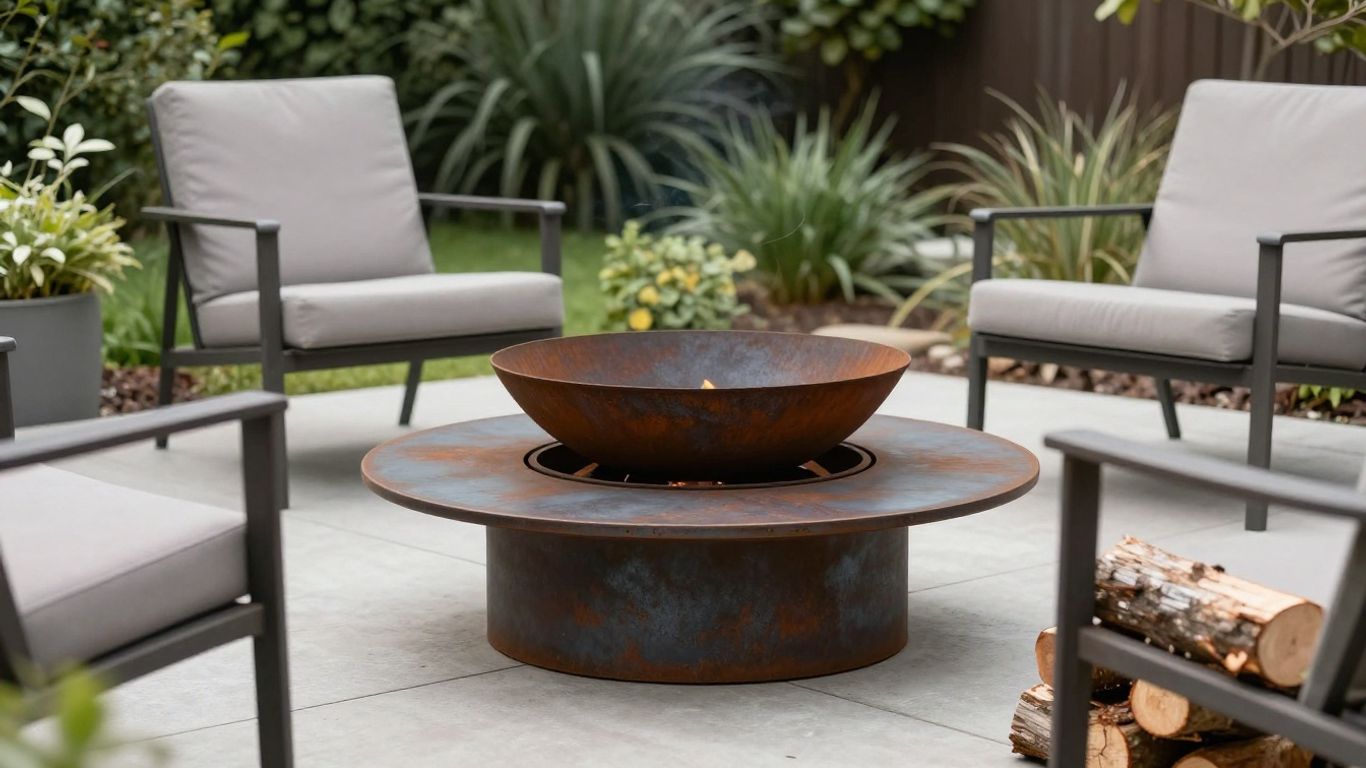
“Smokeless” generally describes designs intended to reduce smoke under suitable conditions, rather than a promise that no smoke will ever appear. Fuel quality, moisture, airflow, and how you operate the fire can all make a difference. If you want to compare a wood-burning format, browsing Corten steel fire bowls can help you consider the shape and material alongside the fuel choice.
A wood fire pit can suit you if tending a fire is part of the pleasure; a controlled-flame option may be more practical when you want a simpler routine. In either case, read the product instructions and local rules before lighting up. The best outdoor fire pits NZ homeowners choose are the ones that fit both their preferred evening and their actual outdoor setting.
2. Choose a fuel and material to suit your space
Fuel affects how you light, tend, and clean your fire pit, while the material influences its weight, appearance, and care. Consider both together, especially if your outdoor area is exposed to rain or you need to move the pit between uses. A model can look low-maintenance in a showroom and still need thoughtful care at home.
How fuel availability affects your choice
Before choosing a fuel, work out what you can reliably store or access and what the fire pit is designed to use. Wood needs a dry storage spot; gas requires the correct supply and connections; bioethanol models call for the suitable fuel specified for that product. For example, the Mix 850 is described with a 5L jerry can and lighting accessories included, while its product page also notes an optional protective cover. Check the instructions for any fuel-specific requirements rather than assuming that one type can be substituted for another.
Comparing steel, corten steel, and cast iron
Materials vary in weight, surface finish, and the care they need, so compare them against your weather exposure and how often you expect to move the pit. These broad tendencies can help frame your questions, but the product specifications should guide your final decision.
| Material | What to consider | A practical question |
|---|---|---|
| Steel | Check the finish and care guidance for the specific model. | Will you store or cover it between uses? |
| Corten steel | Its weathered appearance may suit an open-air setting; check the maker’s care guidance. | Are you comfortable with the finish changing over time? |
| Cast iron | Its weight may make a chosen location feel more permanent. | Can the surface and placement support it? |
Use the table to narrow down what matters most, then confirm the care instructions and construction details for the model you are considering. In particular, distinguish a material’s appearance from any claims about its durability; those depend on the exact product and how it is maintained.
Weather resistance and expected upkeep
Even a fire pit designed for outdoor use benefits from sensible care. Rain, coastal air, and repeated heating can affect finishes differently, so check the manufacturer’s recommendations rather than relying on a general rule for a whole material category. If you are comparing concrete composite and stainless steel, the Nova 600 is described as using those materials and as easy to personalize; review its product details for the options available.
3. Find the right size and location
A fire pit needs room around it, not just enough space for its footprint. Measure the area where you hope to place it and think about how people will gather, move through the space, and reach the fire safely. A comfortable layout should feel inviting when the pit is in use, without making the rest of the patio awkward.
Match the fire pit to your outdoor area
Start with the dimensions of the usable area, then compare them with the fire pit’s full measurements, including any surrounding table or burner structure. A compact courtyard may suit a smaller design, while a larger open patio can accommodate more generous seating around the flame. If you are considering a model for a balcony or verandah, confirm that its stated use and installation requirements match that setting before buying.
Allow space for seating and safe movement
Sketch the fire pit and seats on paper or mark their approximate positions on the ground. Leave room to pull chairs out, walk past other guests, and reach an exit without squeezing near the fire. Also allow for the practical items you may use during an evening, such as a cover or fire-safety equipment, so they do not end up obstructing the path.
Consider wind, smoke direction, and nearby structures
Wind can shift smoke toward seating, doors, or neighbors, and a direction that seems clear at the start of an evening can change. Observe the usual airflow in your yard and consider how nearby walls or roofed areas might affect it. If the smoke path looks likely to cause a problem, reconsider the location or the style of fire pit rather than hoping the wind will cooperate.
4. Check safety requirements before lighting a fire
A fire pit is only a good fit if you can use it safely and lawfully where you live. Requirements may differ by council, location, season, and the type of fire, so do not rely on a general guide as a substitute for current local information. Plan your setup before the first burn, including the surface, clear space, and equipment you may need if something goes wrong.
Look up local council rules and fire-season restrictions
Check your local council’s advice and current fire-season restrictions before each period of use, especially when conditions are dry or windy. Confirm whether the rules distinguish between open fires, enclosed appliances, or particular fuel types. If the advice is unclear, ask the relevant authority before lighting rather than assuming a small fire pit is automatically exempt.
Keep clearances from buildings, fences, and vegetation
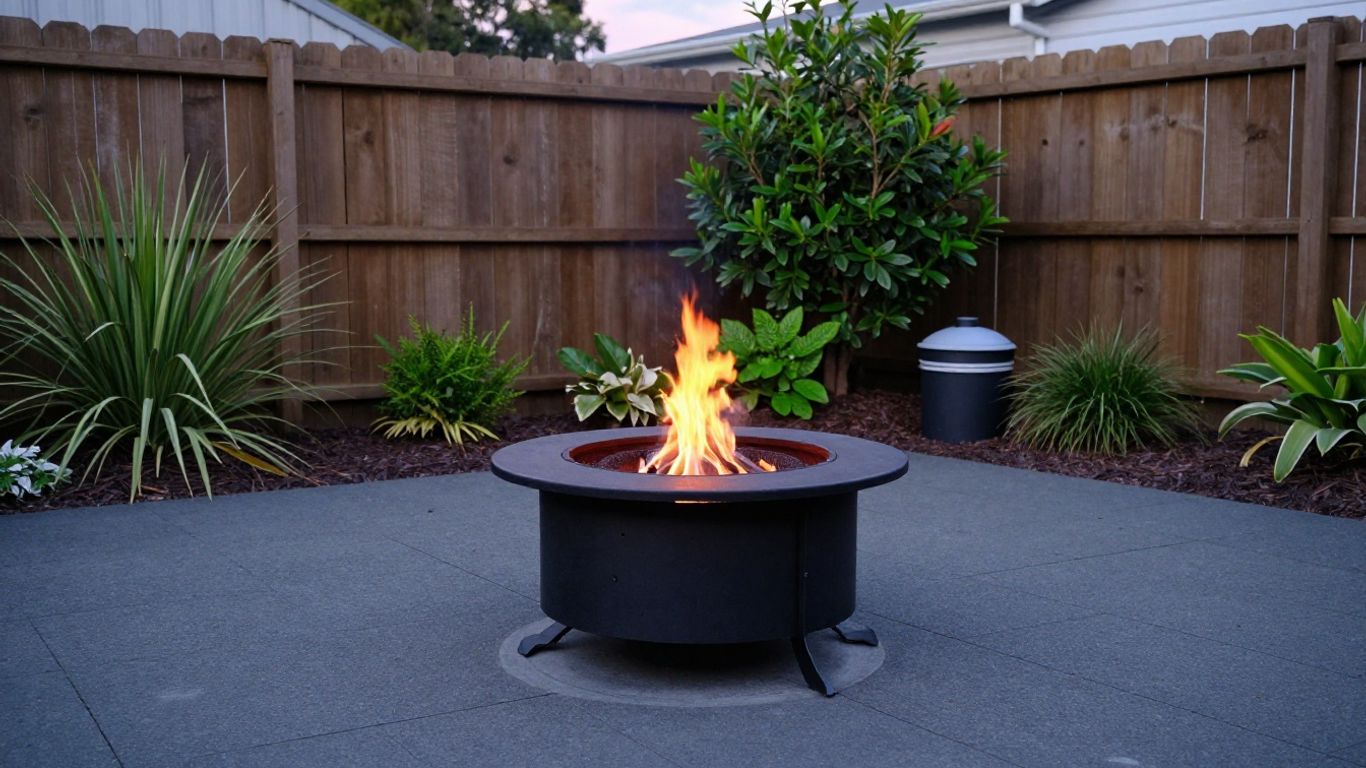
Follow the clearances in the product instructions and any local requirements, keeping the pit away from buildings, fences, overhanging branches, dry plants, and stored combustibles. Consider nearby windows and doors as well as the immediate ground around the fire. Clear space is not simply a matter of appearance; it helps reduce the chance of heat, sparks, or smoke affecting nearby areas.
Prepare a stable surface and keep fire-safety equipment nearby
Set the fire pit on a stable, level surface appropriate for the model, and check whether the maker specifies a protective base or other installation conditions. Before lighting, make sure the area is clear and that you can respond quickly if the fire spreads or needs to be put out. A short pre-use check keeps the essentials from becoming an afterthought:
- Confirm the surface is level and suitable for the specific fire pit.
- Remove dry leaves and other loose combustibles from the surrounding area.
- Keep suitable fire-safety equipment within easy reach.
- Check that children and pets can be kept at a safe distance.
That quick check is useful every time, not only when the fire pit is new. If weather, ground conditions, or local restrictions make the setup unsafe, wait for a better time to use it.
5. Assess features before you buy
Features can make a fire pit easier to live with, but they are only useful when they match how you plan to use it. Compare what is included with what is optional, and read the setup and care information before you focus on appearance alone. A clear view of the full cost and requirements makes it easier to choose with confidence.
Weigh portability against a permanent installation
A lighter or freestanding model may be easier to reposition, while a heavier design can make more sense if you have a settled layout and suitable surface. Think about how often you will move it, where it will be stored, and whether you can lift it safely. If you want to move the fire pit regularly, check its weight and handling instructions rather than judging portability by its size alone.
Check for spark screens, covers, and airflow controls
A screen, cover, or airflow feature may be useful, but availability and compatibility vary by product. Check whether each item is included or sold separately, and whether the instructions call for it during use or only after the fire has cooled. Do not treat an accessory as a replacement for safe clearances, supervision, or compliance with local rules.
Compare setup needs, warranties, and total cost
Look beyond the listed price to include fuel, delivery, installation if required, and any accessories you consider essential. Read the warranty terms and setup instructions so you understand what is covered and what you will need to do yourself. For a made-to-order item, also check the stated lead time and available finishes before you commit.
6. Use and maintain your fire pit
Good care starts before the first flame and continues after the fire is out. Follow the instructions for your particular model, since fuel, lighting, and cleaning methods differ. With a consistent routine, you can enjoy the fire while keeping the pit and surrounding area in better condition.
Build and manage a fire responsibly
Use only the fuel specified for your fire pit and follow the maker’s lighting instructions. Keep the fire at a manageable size, stay present while it is burning, and avoid adding fuel in a way the instructions prohibit. When conditions are gusty or dry, or the fire cannot be supervised, do not light it.
Clean ash and inspect the pit between uses
Let the fire pit cool completely before cleaning or handling ash. Follow the product guidance for ash removal and disposal, and check the bowl, burner, and other components for damage or buildup before the next use. If something appears damaged, stop using the pit until you have checked the maker’s advice.
Protect the fire pit from rain and off-season weather
Once the fire pit is fully cool and dry, use a compatible cover if the manufacturer recommends one, or store removable components in a suitable protected place. Avoid trapping moisture under a cover when the product is still wet. A quick inspection when you bring the pit back into use can help you catch wear before you light the next fire.
Conclusion
Choosing a fire pit is a balance of atmosphere, practical care, and a safe fit for your outdoor space. Compare fuels and materials, measure carefully, check local requirements, and follow the product instructions from setup through storage. With those details in place, you can choose a model that feels right for your home and use it with greater confidence.
Frequently Asked Questions
What type of outdoor fire pit is easiest to use?
Gas and bioethanol models can be convenient when you want less wood handling and ash cleanup, but their fuel and setup requirements differ. Check the instructions and ongoing fuel needs before choosing.
Are smokeless fire pits completely smoke-free?
No design should be assumed to produce no smoke in every condition. Fuel, airflow, and operation can affect how much smoke you see, so follow the maker’s guidance and use suitable fuel.
How do I choose the right fire pit size?
Measure the usable area and account for the pit’s full dimensions, seating, and clear walking routes. Leave enough room to follow required clearances and the manufacturer’s placement instructions.
Can I use a fire pit on a deck?
That depends on the fire pit, deck material, local rules, and the product’s installation instructions. Confirm whether a protective base or other specific setup is required before using one on a deck.
What should I check before lighting a fire pit in New Zealand?
Check current local council guidance and any fire-season restrictions that apply to your location and fire type. Also confirm the maker’s placement and operating instructions.
How should I clean a fire pit?
Wait until it is completely cool, then clean it according to the product instructions. Remove ash and inspect components as directed before the next use.
Should I cover my fire pit when it is not in use?
A compatible cover can help protect some models, but follow the maker’s advice and only cover a pit once it is cool and dry. Check whether the cover is included or an optional accessory.