

How to choose outdoor furniture with warranty NZ: A buyer’s guide
Key Takeaways
A useful warranty is one you understand before you buy, not just a long number on a product page. Compare coverage with your climate, care routine, and the parts most likely to need attention.
- Check whether the frame, finish, fabric, and cushions have separate warranty terms.
- Distinguish manufacturing defects from fading, weathering, and everyday wear.
- Read exclusions and care requirements with New Zealand’s sun, wind, and coastal conditions in mind.
- Compare warranty periods and claim requirements in writing before you commit.
- Keep your receipt, product details, and clear photos in case you need to make a claim.
What an outdoor furniture warranty covers
An outdoor furniture warranty can offer reassurance, but it does not necessarily cover every part of a set for the same length of time. Terms vary by product and seller, so look beyond a headline such as “five-year warranty.” Check what is covered, what is excluded, and what you would need to provide if something goes wrong. Design Concepts describes a five-year fabric warranty as a benefit, but you should confirm the terms for the specific product you are considering.
Frame, finish, fabric, and components may have different terms
A dining set can combine several materials, and its warranty may treat each one separately. The frame, coating, upholstery, cushions, and smaller fittings may each have their own coverage period or conditions. Look for a component-by-component breakdown rather than assuming the whole item shares one term. A New Zealand-owned outdoor furniture retailer can be a useful starting point for considering how local conditions and material choices fit together.
Manufacturing defects are different from everyday wear
A warranty usually focuses on defects in materials or workmanship, while changes caused by ordinary use or exposure may be treated differently. Color fading, surface marks, timber movement, or damage from an accident could fall outside coverage, depending on the written terms. The cause of the problem matters: a fault that appears soon after purchase may be assessed differently from gradual weathering. Keep your expectations grounded in the actual wording, rather than assuming every change is a defect.
Check whether coverage includes replacement parts or labor
A repair promise can mean different things in practice. Ask whether the seller may repair the item, supply a replacement component, or replace the product, and whether labor, freight, or collection costs are included. A quick comparison makes these distinctions easier to spot:
| Warranty detail | What to check | Why it matters |
|---|---|---|
| Remedy | Repair, part, or replacement | The solution may depend on the fault |
| Labor | Included or charged separately | A supplied part may still need fitting |
| Freight | Who pays for transport | Moving bulky furniture can add cost |
| Claim evidence | Receipt, photos, or inspection | Missing records can slow assessment |
Once you know what a seller will do, check whether any remedy has limits or depends on an inspection. Written details are more useful than a general assurance at the point of sale.
How New Zealand conditions affect warranty coverage
Outdoor furniture in New Zealand may face strong sun, damp spells, salt air, and gusty weather, sometimes within the same season. Those conditions do not automatically invalidate a warranty, but the terms may set limits around exposure, maintenance, and storage. Consider where the furniture will sit and how you will care for it through the year. Design Concepts selects collections intended for New Zealand’s climate, though individual product specifications and warranty terms still need checking.
UV exposure can fade fabrics and finishes
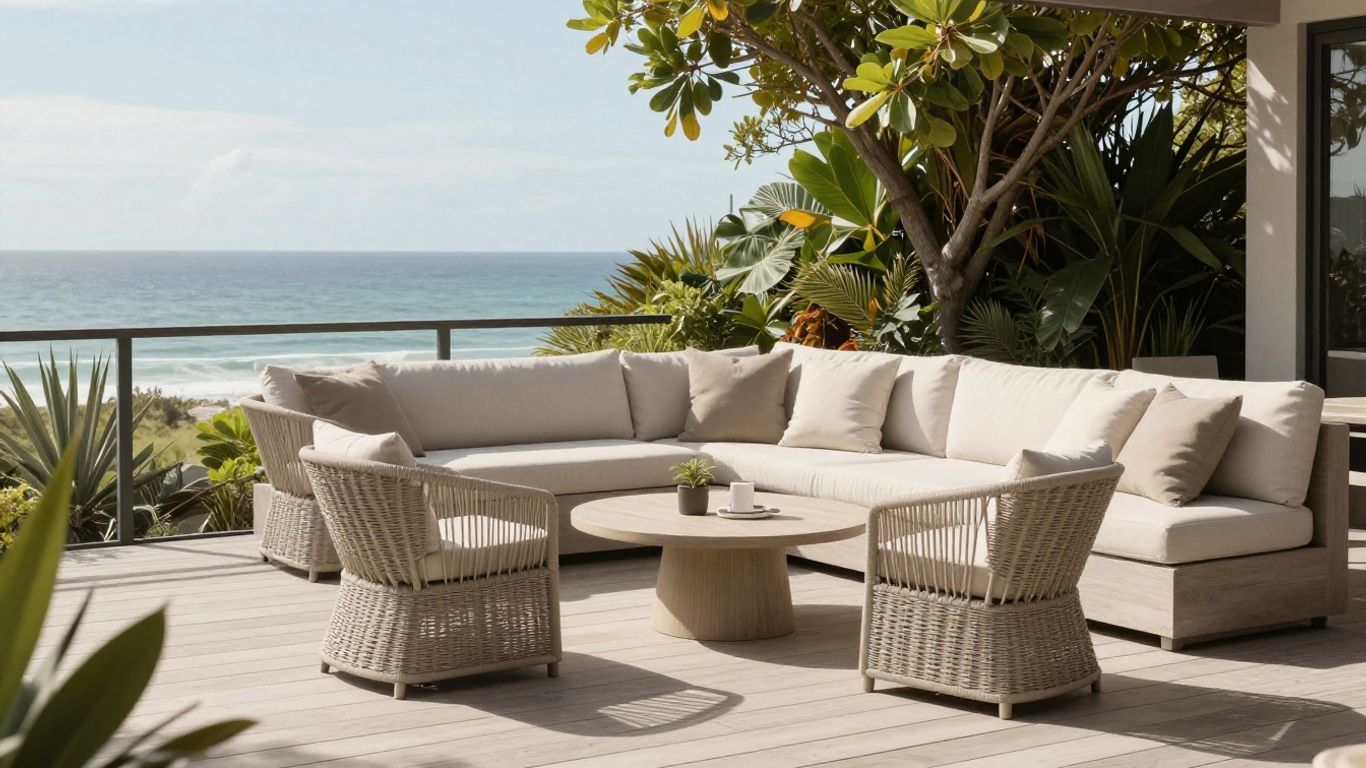
Long hours in direct sunlight can gradually affect outdoor fabrics and surface finishes. Warranty language may distinguish between a material defect and color change from normal exposure, so look for specific wording about fading, UV resistance, or the expected use environment. If the furniture will sit in full sun, check the care guide and consider shade or covers when it is not in use. A product’s stated features are useful, but they do not replace the warranty’s conditions.
Coastal air and moisture can affect materials and hardware
Salt-laden air and persistent moisture can place extra demands on frames, fasteners, and finishes. Read the care instructions for cleaning and drying, and check whether the warranty sets out restrictions for coastal or highly exposed locations. A quick-drying or rust-resistant feature, where a product listing specifies one, can inform your choice but is not a promise that maintenance is unnecessary. The warranty coverage example illustrates why it pays to review both component terms and exclusions rather than relying on a single headline period.
Wind and storms may be excluded from coverage
Strong wind can move lightweight pieces, damage umbrellas, or knock furniture against nearby surfaces. Storm-related damage may be treated as accidental or environmental damage rather than a manufacturing defect, so check the exclusions before leaving furniture exposed. You can also ask how the seller recommends securing or storing an umbrella and cushions when severe weather is forecast. A short video about choosing and caring for outdoor furniture can help you think through those practical questions.
Compare warranties across furniture materials
Warranty terms make more sense when you compare them alongside the care each material needs. A frame may be durable, but its finish, fasteners, or cushion fabric can have different limits and maintenance requirements. Design Concepts offers outdoor furniture across categories such as sofas, dining sets, and loungers; check the individual listing rather than assuming one warranty applies across a collection. Choose the material that suits both your setting and the amount of care you are prepared to give it.
Aluminum and steel frames have different care needs
Aluminum and steel are not interchangeable from a care perspective, and warranty terms may distinguish between the frame and its coating or hardware. Check what the manufacturer says about cleaning, scratches, and exposure to moisture, then follow those instructions. For a set with more than one metal component, verify whether the same warranty period applies to each. Regular gentle cleaning and prompt attention to damage can help you spot issues before they worsen.
Timber warranties may depend on maintenance
Timber naturally changes in appearance outdoors, and a warranty may not treat color variation or weathering as a defect. The terms may also require particular cleaning or upkeep, so read the maintenance instructions before deciding whether timber fits your routine. Compare warranty language with the product’s care guidance, especially if you prefer a low-maintenance setup. A realistic view of how timber ages can help you choose with confidence.
Outdoor fabrics and cushions often have separate coverage
Fabric, stitching, cushion inserts, and covers can each have their own coverage conditions. Sun exposure, moisture, cleaning products, and storage practices may all be relevant to a claim, so check product details rather than treating a cushion as one component. When assessing an outdoor setting, ask which parts have separate terms and whether the stated fabric warranty covers color, strength, or something else. This is also a good moment to note any care steps you will need to keep up with.
Read the warranty terms before you buy
A quick read of the warranty can prevent an unpleasant surprise later. Look for the start date, the covered purchaser, the remedies available, and what evidence the seller needs. Design Concepts sells online, in-store, and through nationwide delivery, so check the terms attached to the exact product and purchase route you plan to use. Keep a copy of the relevant warranty page or document with your order records.
Compare warranty periods by component
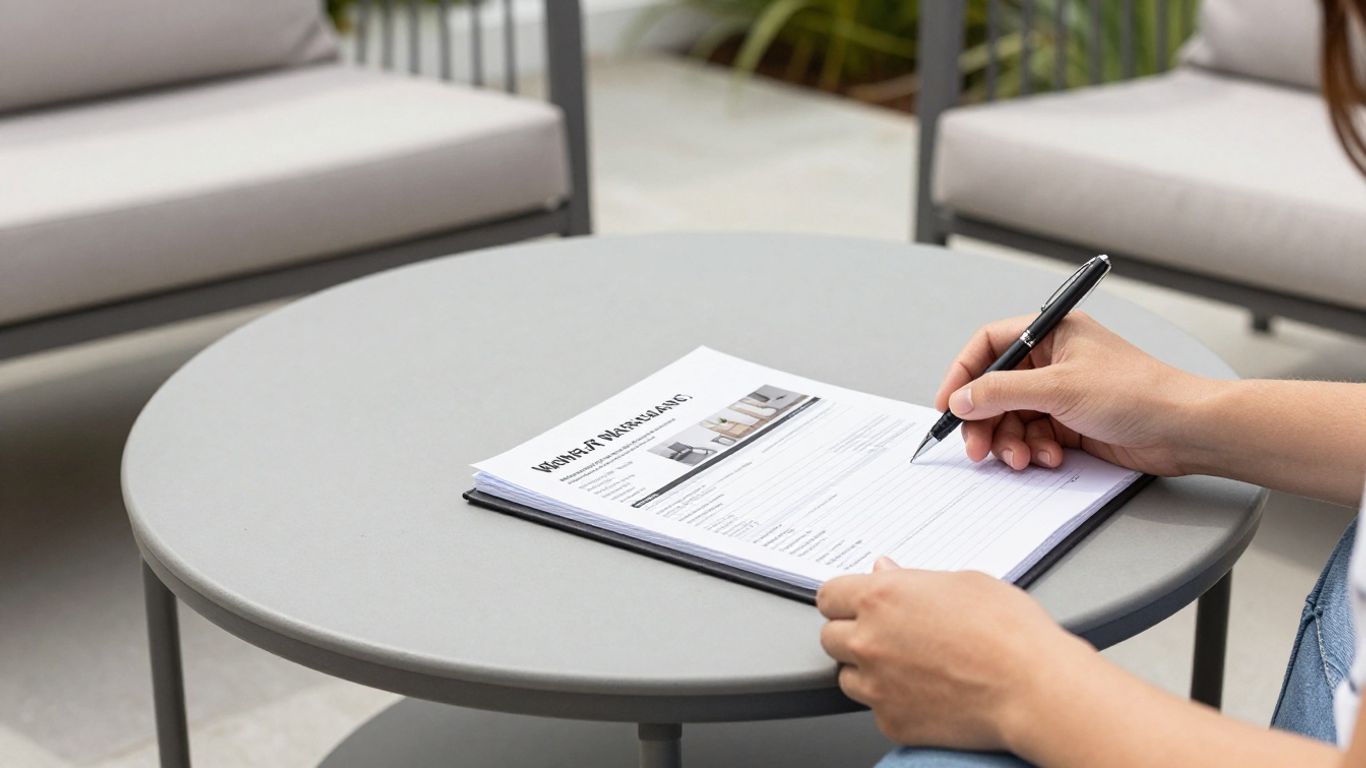
A single set may have a longer frame warranty and shorter terms for fabric, finishes, or cushions. Note each period beside the relevant component and compare like with like across the options you are considering. If a listing gives only one headline period, ask whether it applies to every part or to a particular component. That simple distinction can change how much reassurance the warranty provides.
Check exclusions, limits, and proof-of-purchase rules
Read the exclusions carefully, including any conditions about cleaning, storage, misuse, alterations, or environmental exposure. Confirm whether the warranty is limited to the original purchaser and what counts as acceptable proof of purchase. The process may also require photos or an inspection before a remedy is offered. Save the full terms at the time of purchase, since product pages and conditions can change.
Confirm whether the warranty applies to residential use
Some warranties are written for domestic use and may set different terms for commercial, rental, or high-traffic settings. If you are buying furniture for a holiday home, shared accommodation, or a business, describe the intended use before you order. Ask the seller to confirm in writing whether that use is covered. Clear answers now are easier to rely on than assumptions later.
Choose furniture that suits your space and routine
The best choice balances comfort, appearance, care, and the conditions in which you will use the furniture. A generous lounge setting may suit a sheltered deck, while a small balcony calls for careful measuring and easy movement. Think about who uses the space, how often you entertain, and whether you can store cushions or covers during rough weather. Design Concepts is a New Zealand-owned and operated retailer with nationwide delivery, so you can explore options whether you shop online or in-store.
Match materials to your climate and maintenance preferences
Start with the amount of sun, rain, and salt exposure your furniture will receive, then compare materials against their care instructions. If you do not want to bring cushions inside often, look for product-specific details about fabric and cushion construction rather than relying on general assumptions. A weather-resistant furniture guide can help you compare construction, fabrics, and care needs before narrowing your choices. Choose a setup whose maintenance feels manageable in an ordinary week, not just on the day you buy it.
Check dimensions, weight, and storage requirements
Measure the usable area, including room to pull out chairs and walk around the table. Check package dimensions and access routes too, especially if furniture needs to pass through a narrow doorway or up stairs. Weight affects how easily you can move pieces into shelter, while stackable or foldable designs may simplify storage. A few measurements taken in advance can spare you a difficult delivery day.
Ask how replacement parts are supplied in New Zealand
If a part is damaged or wears out, it helps to know whether the seller can identify and supply a replacement. Ask which product details or codes you should keep, whether parts are ordered locally, and who can explain the next step. Do not assume every component will remain available indefinitely. A clear answer about support can be as useful as the warranty period itself.
Protect your purchase and make a claim
Good care and clear records can make a warranty conversation more straightforward. When a problem appears, the seller will need enough information to understand what happened and assess whether the terms apply. Follow the care guidance from the outset, and save the paperwork that connects your purchase to the product. A prompt, factual report is generally easier to assess than a vague message sent long after the issue began.
Follow care and storage instructions
Use the cleaning products and storage methods specified for your furniture, and take note of any instructions about covers, cushions, or seasonal protection. If severe weather is forecast, secure or move lightweight items where practical. A simple routine can help prevent avoidable damage and make it easier to tell normal wear from a new fault. Keep the care guide somewhere you can find it again.
Keep receipts, product details, and dated photos
A small record folder, digital or physical, can save time if you later need to ask about a problem. Keep the purchase confirmation, warranty terms, model or product details, and any care instructions together. It also helps to take photos when the furniture is new and again if you notice a change. A few practical records to keep are:
- Your receipt or order confirmation.
- The product name, model, and purchase date.
- A copy of the warranty and care instructions.
- Dated photos showing the issue and the whole item.
These details make it easier to explain the product’s condition and purchase history. Keep original files where possible, and avoid editing photos that you may use as claim evidence.
Contact the seller promptly with clear evidence of the issue
Describe what has happened, when you first noticed it, and how the furniture has been used and cared for. Include close-up and wider photos, along with your receipt and product details, but avoid attempting repairs before checking whether that could affect the claim. Ask what happens next and whether the item needs an inspection. Clear communication helps both sides focus on the terms and the available remedy.
Conclusion
Choosing outdoor furniture with warranty NZ means looking at more than a number of years: compare component coverage, exclusions, care requirements, and the support available if a problem arises. Match those terms to your local conditions and your everyday routine, then keep the paperwork and care guidance somewhere accessible. A little checking before you buy can make it easier to enjoy your outdoor space with fewer surprises.
Frequently Asked Questions
What should an outdoor furniture warranty cover?
It depends on the product and seller. Check whether the warranty applies to the frame, finish, fabric, cushions, and other components, and what remedy is offered if a covered defect appears.
Does a longer warranty always mean better coverage?
Not necessarily. A long period may apply only to one component, while exclusions or claim conditions may limit what is covered. Compare the wording as well as the length.
Is fading covered by an outdoor furniture warranty?
Some warranties address fading specifically, while others exclude or limit changes caused by sunlight and normal exposure. Read the terms for the particular fabric or finish.
Can coastal conditions affect a warranty claim?
They may matter if the terms include restrictions for salt air, moisture, or maintenance. Check the product care instructions and ask the seller how the warranty applies to your location.
Are cushions covered for the same period as the frame?
Not always. Fabric, cushion inserts, stitching, and frames may have separate terms, so check each component rather than assuming the whole set has one coverage period.
What information should I provide with a warranty claim?
Keep your proof of purchase, product details, warranty terms, and clear photos of both the issue and the full item. The seller may also ask how the furniture was used and maintained.
Does a furniture warranty cover storm damage?
Storm damage may be excluded as accidental or environmental damage, but terms vary. Check the exclusions and follow any instructions for securing or storing furniture in severe weather.